Say what the constraint is
A cost that cannot be explained cannot be negotiated. We name the driver rather than defending a number.
SHENZHEN · SINCE 2010
We are a Shenzhen manufacturer working in two materials at once: soft goods and electronics. That combination is unusual enough to be the reason we exist.
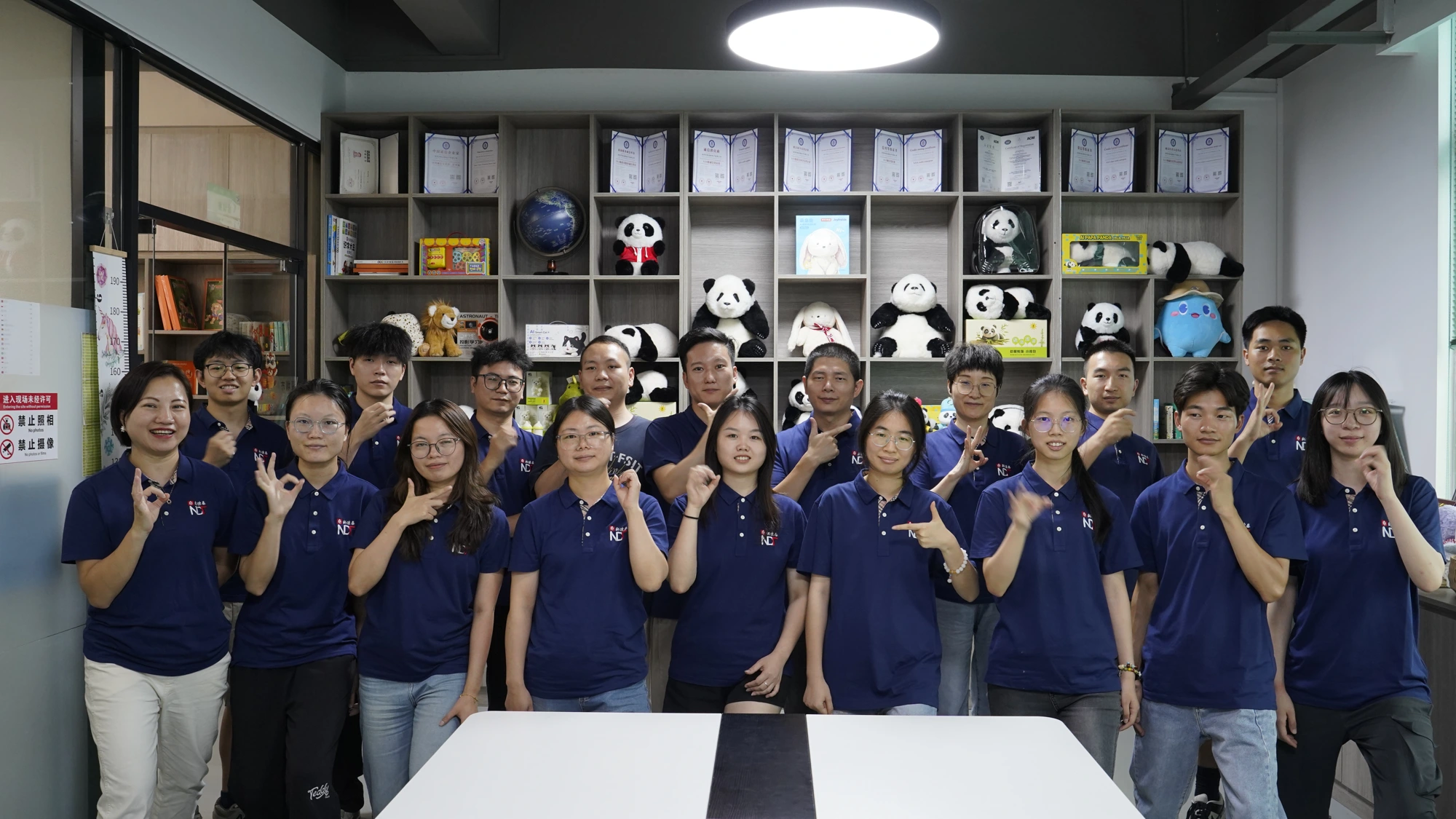
We develop and manufacture children’s audio products: AI plush toys, interactive companions, sound books, learning card systems and the electronic modules that power them. Most of our work is for brand programmes that need a product developed and produced, not a catalogue item re-badged.
The company is based in Shenzhen, Guangdong, and has been producing since 2010. The product library has grown with the electronics: early products were audio-only, and current programmes increasingly include voice interaction and connected content.
Most factories work in one material. A plush factory makes plush; an electronics factory makes boards. The products that combine both are the ones where coordination becomes the project.
We chose to keep both capabilities because the alternative — coordinating two suppliers who each own half of the product — produces a predictable class of problem: the plush is designed for a module that does not exist yet, the module is designed for a cavity that the pattern cannot provide, and the resolution happens at the sample stage when it is most expensive.
Most of our programmes come from brand owners who hold a character or a content idea and need a product. Some come from importers who need a category filled. Both start the same way: a brief that describes the audience, the market and the intended experience.
We are deliberately direct about constraints. A quotation that does not name the assumptions behind it is not useful, because the buyer cannot compare it with another. Saying which part of the product is driving the cost — tooling, materials, content, or packaging — is more helpful than a single number.
Most programmes ship to the United States and the European Union, which sets the expectations for documentation, labelling and test planning. Language versions are produced per market rather than added afterwards.
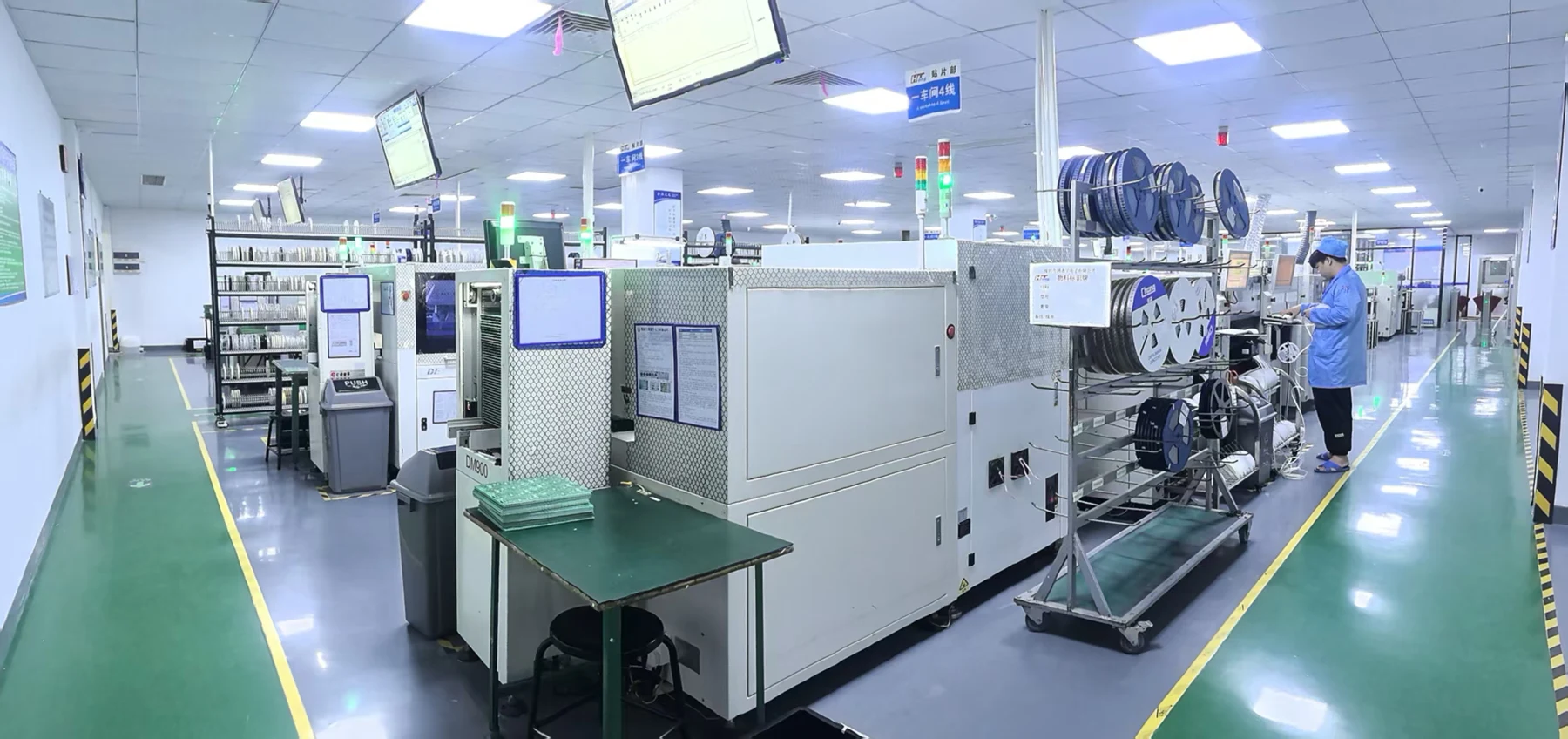
The plant
Production space is organised by material rather than by product: a pattern and sample room, cutting, sewing and filling areas, an electronics assembly and test area, and packing.
That arrangement is deliberate. It keeps the people who understand the soft body close to the people who understand the electronics, which is exactly the conversation that decides whether an electronic plush programme succeeds.
Working values
These are practical positions, not marketing statements.
A cost that cannot be explained cannot be negotiated. We name the driver rather than defending a number.
An approved sample without a recorded configuration is not a reference. The document is part of the deliverable.
Most expensive changes are the ones made after tooling. Feasibility belongs at the start, not at the first sample review.
Company FAQ
Shenzhen, Guangdong, China. Production and sampling take place on site.
Business communication in English and Chinese. Product audio is produced in the languages the market requires.
Yes, where the product direction is defined and the quantities can support the tooling. A first programme with a clear brief is often more workable than a large one without.
References are provided in a commercial discussion, subject to the confidentiality of the programmes involved.
Send a short brief and we will reply with the questions that actually affect cost, tooling and timing.
Start a project