SHENZHEN · PLUSH + ELECTRONICS
Factory & Capability
A factory is defined by what it does in-house and what it coordinates. Both matter for a buyer, but only the first is under the factory’s direct control.
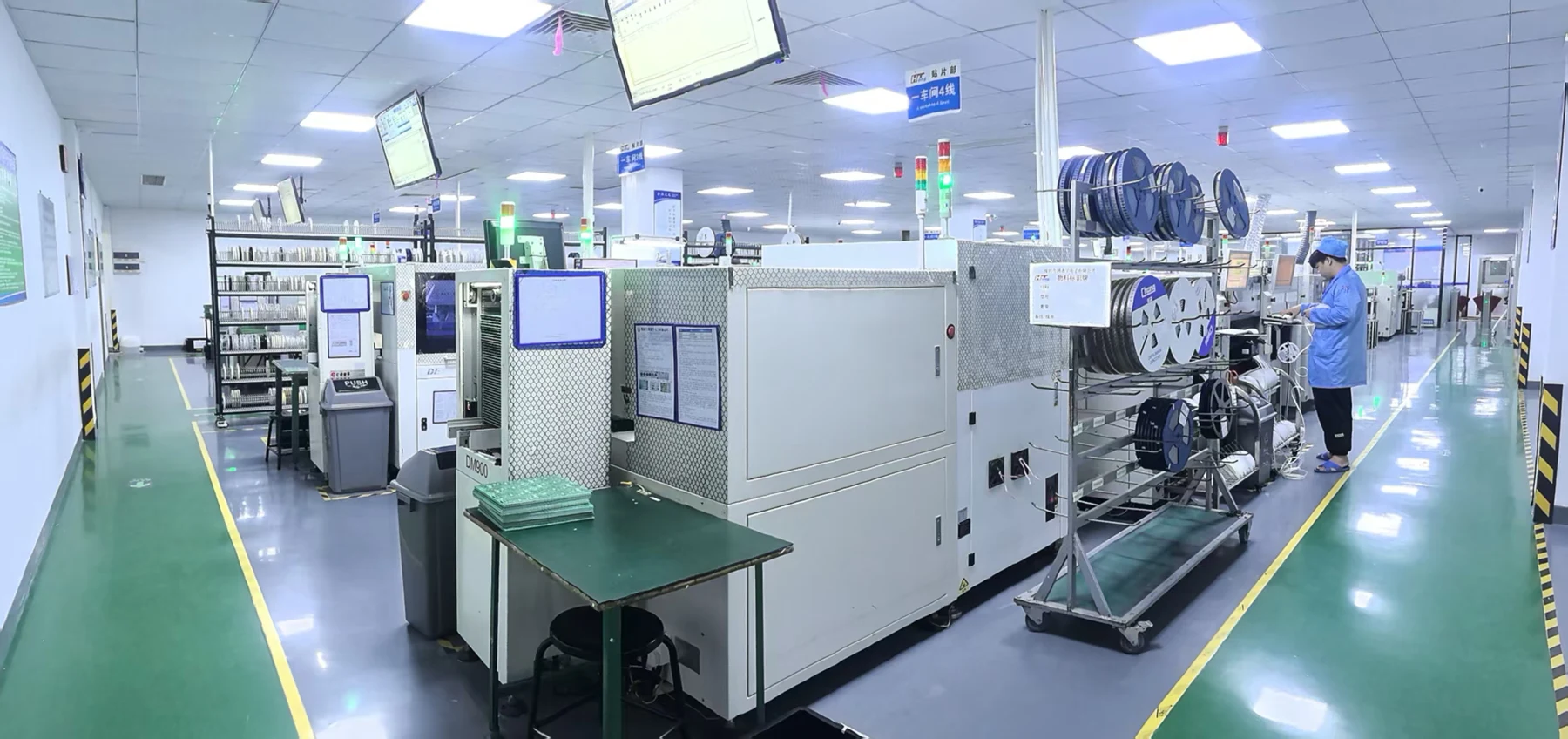
What happens in-house
The distinction that matters most for an electronic plush product is whether the soft goods and the electronics are made in the same place. When they are not, the fit between the two becomes a coordination problem between suppliers rather than an engineering problem inside one team.
| Stage | In-house | Coordinated with partners |
|---|---|---|
| Pattern making & sampling | Yes | — |
| Fabric cutting | Yes | — |
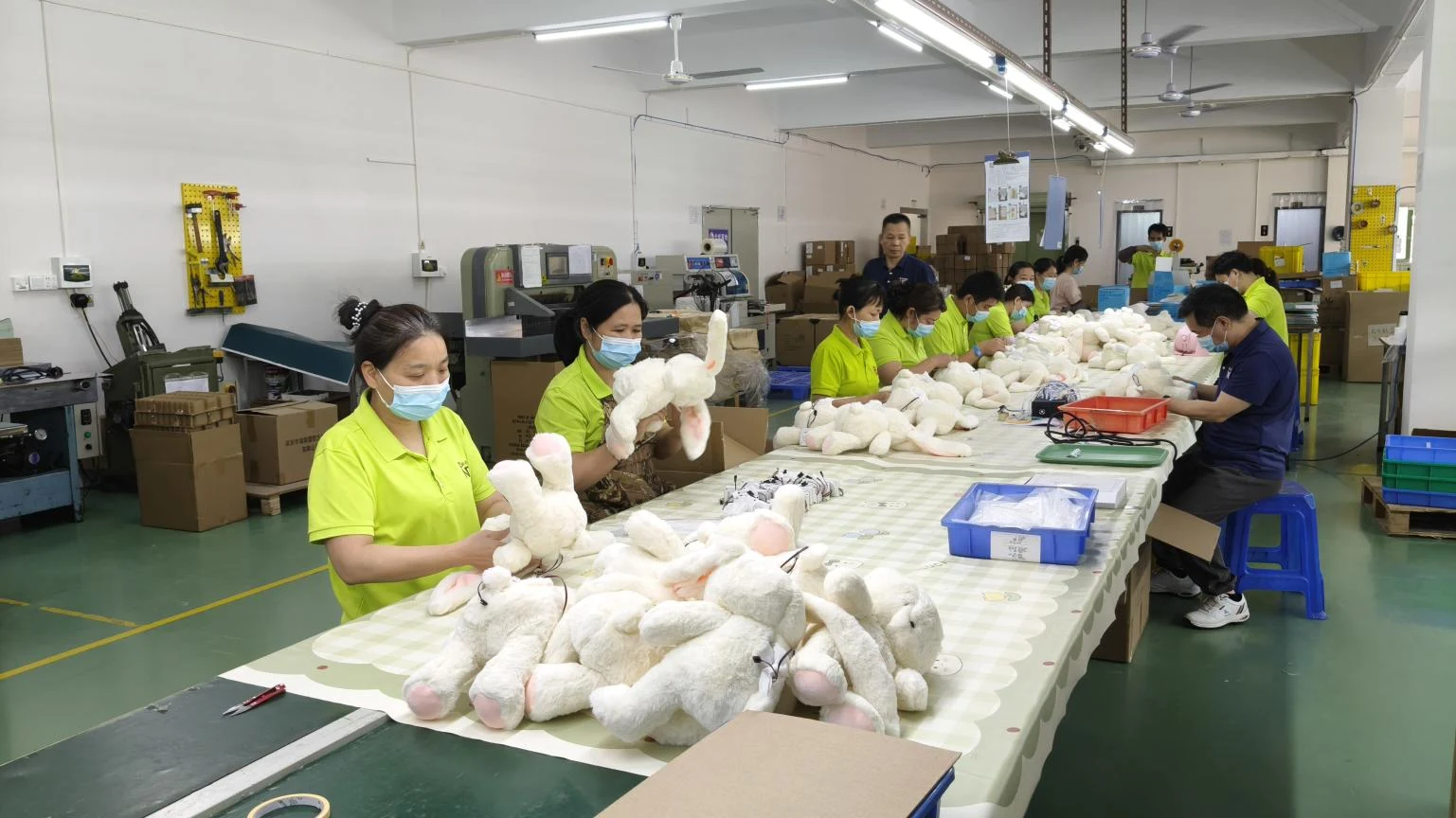
| Sewing & filling | Yes | — |
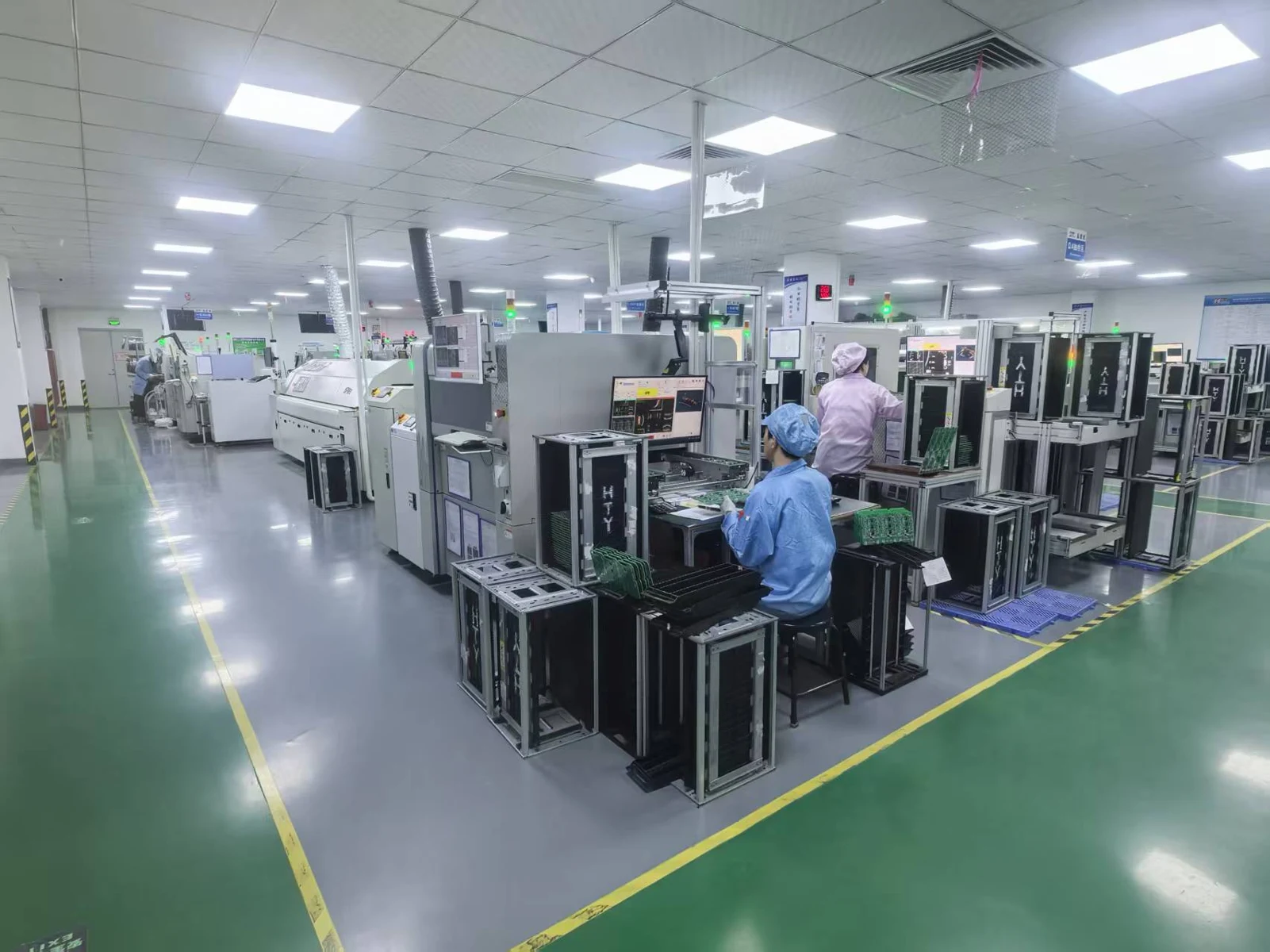
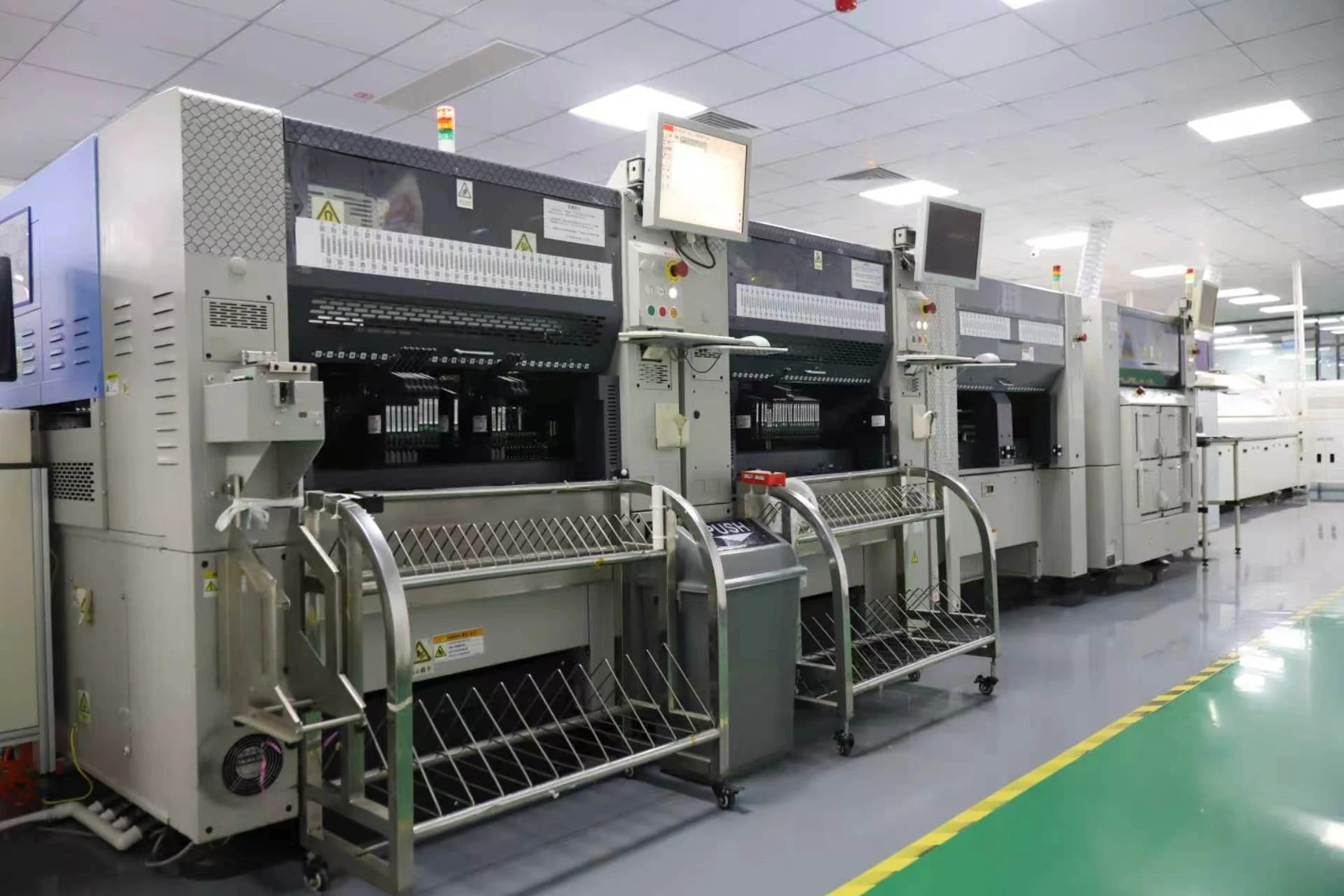
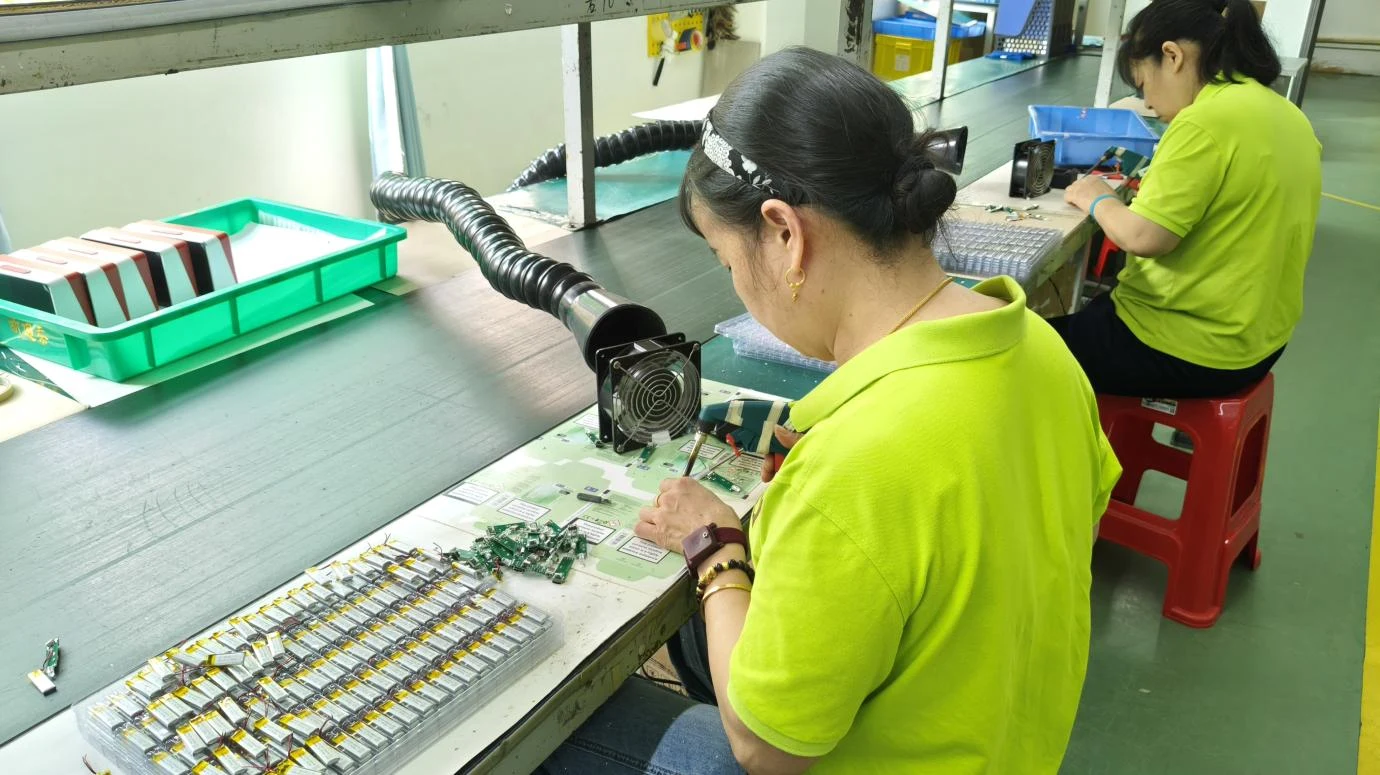
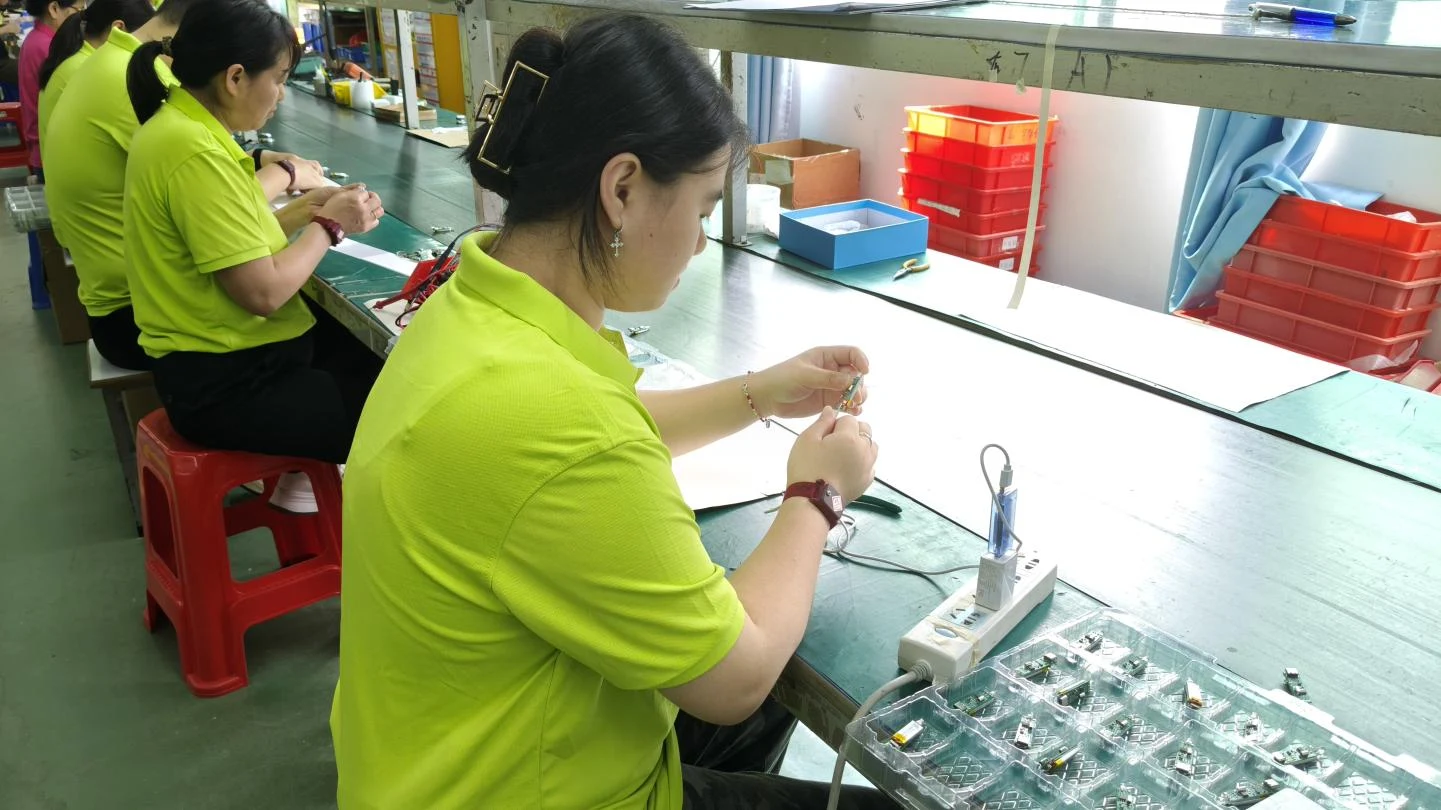
| Electronics assembly & testing | Yes | — |
| PCB fabrication | — | Specialist board houses |
| Injection moulding | — | Tooling partners |
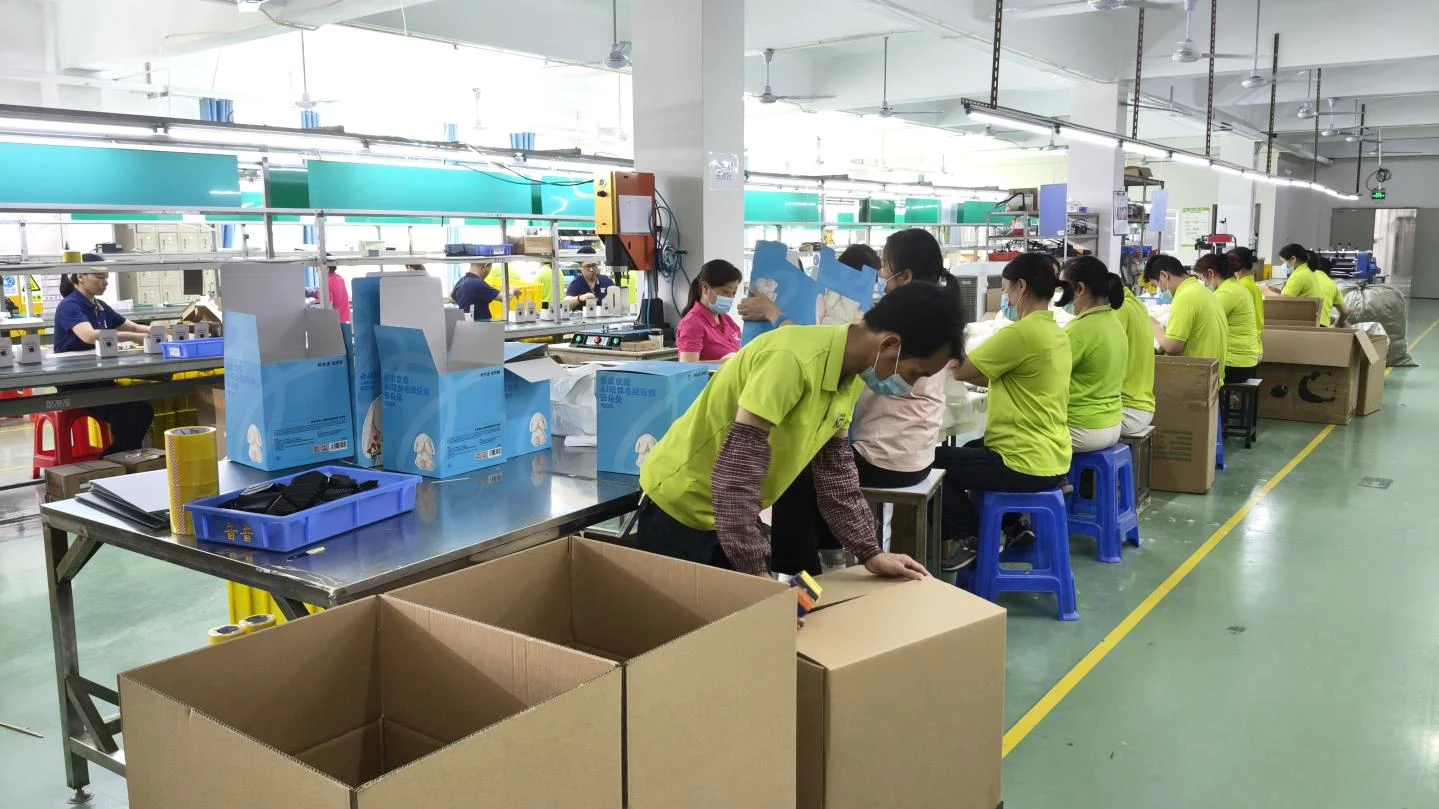
| Printing (books, packaging) | — | Print partners |
| Certification testing | — | Accredited laboratories |
Why the split matters on an electronic plush
The interior of a plush toy is not a stable space. Filling moves, seams shift, and the product is compressed constantly. A module designed into a rigid housing and then placed inside a soft body behaves differently from one that was designed for the body.
Having both sides in house means the internal layout is agreed against a physical plush body early, which is when changes are cheap. When the two sides are separate suppliers, the same question gets answered much later, and the answer usually costs more.
Production capacity and how it is planned
Capacity planning for a toy programme has to account for sampling, which competes for the same people as production. A programme that needs several physical rounds before approval takes capacity away from the run, and that is why sampling is scheduled rather than assumed.
For repeat programmes the pattern and the tooling already exist, so the schedule shortens substantially. That is the practical difference between a first order and a repeat.
Visiting and remote review
Buyers who cannot visit are usually given photo and video reviews at defined stages: pattern, first sample, approved sample and pre-shipment. It is not the same as standing on the line, but it catches the problems that matter if the stages are fixed in advance.
- Photo review at pattern stage
- Video review of the first sample
- Approved sample shipped to the buyer
- Pre-shipment inspection report
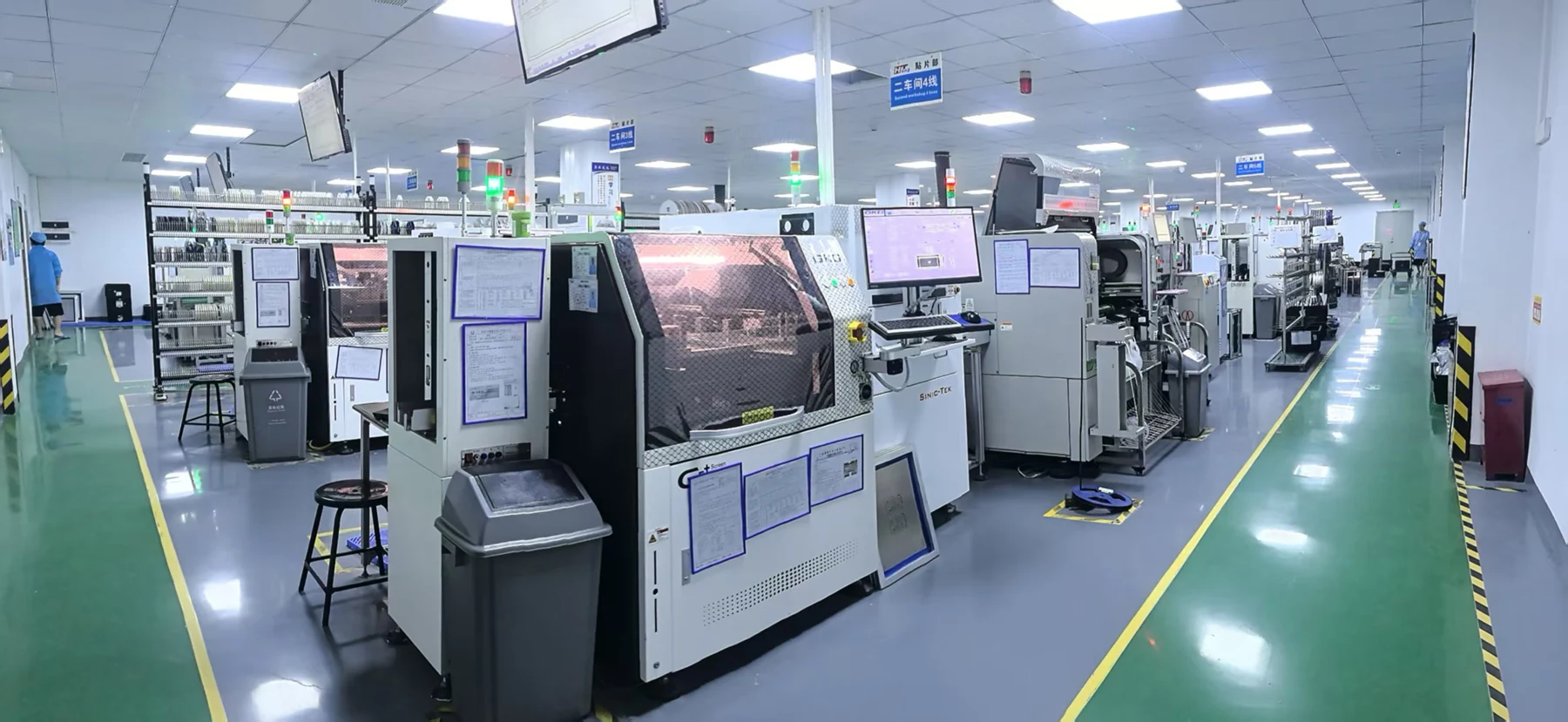
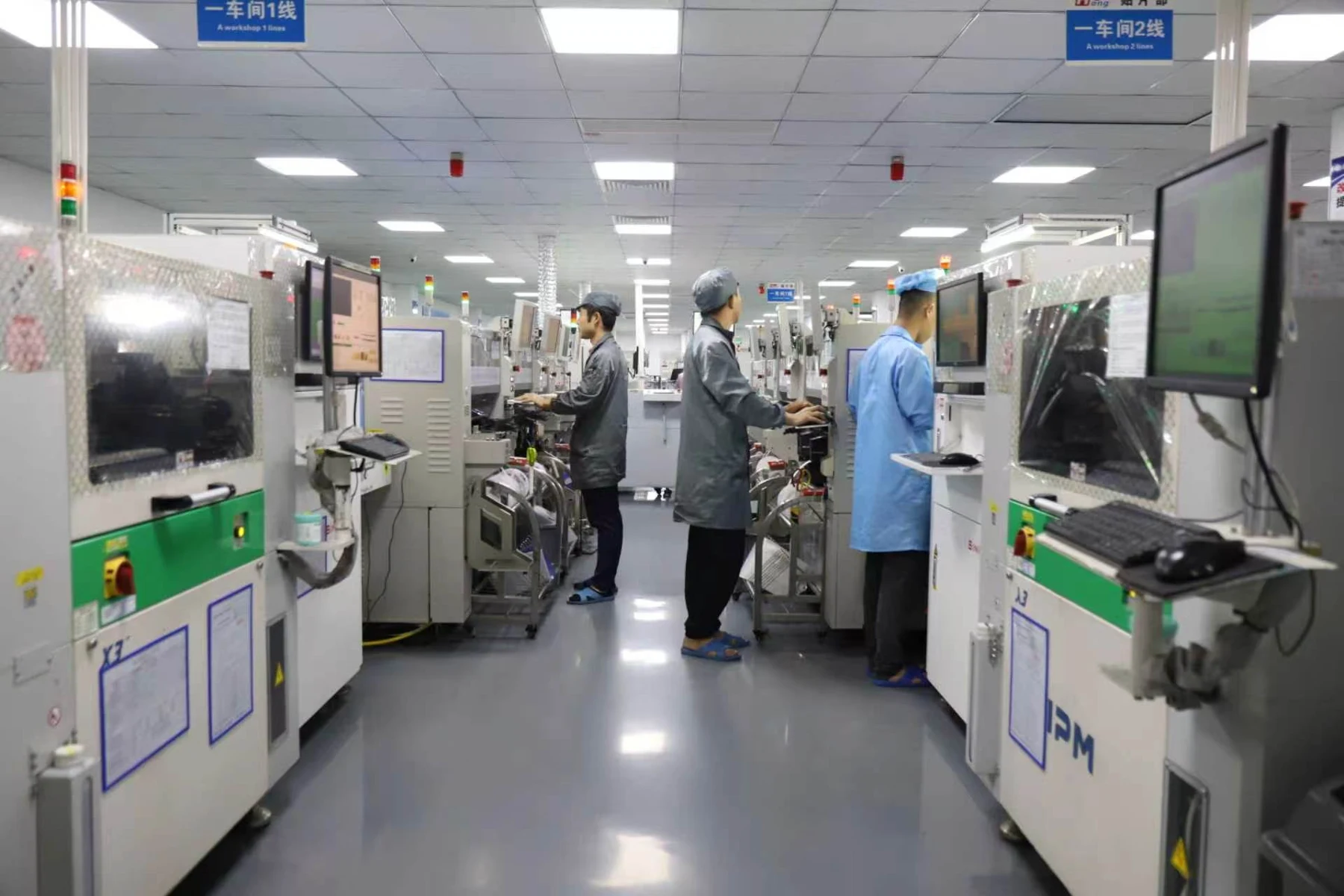
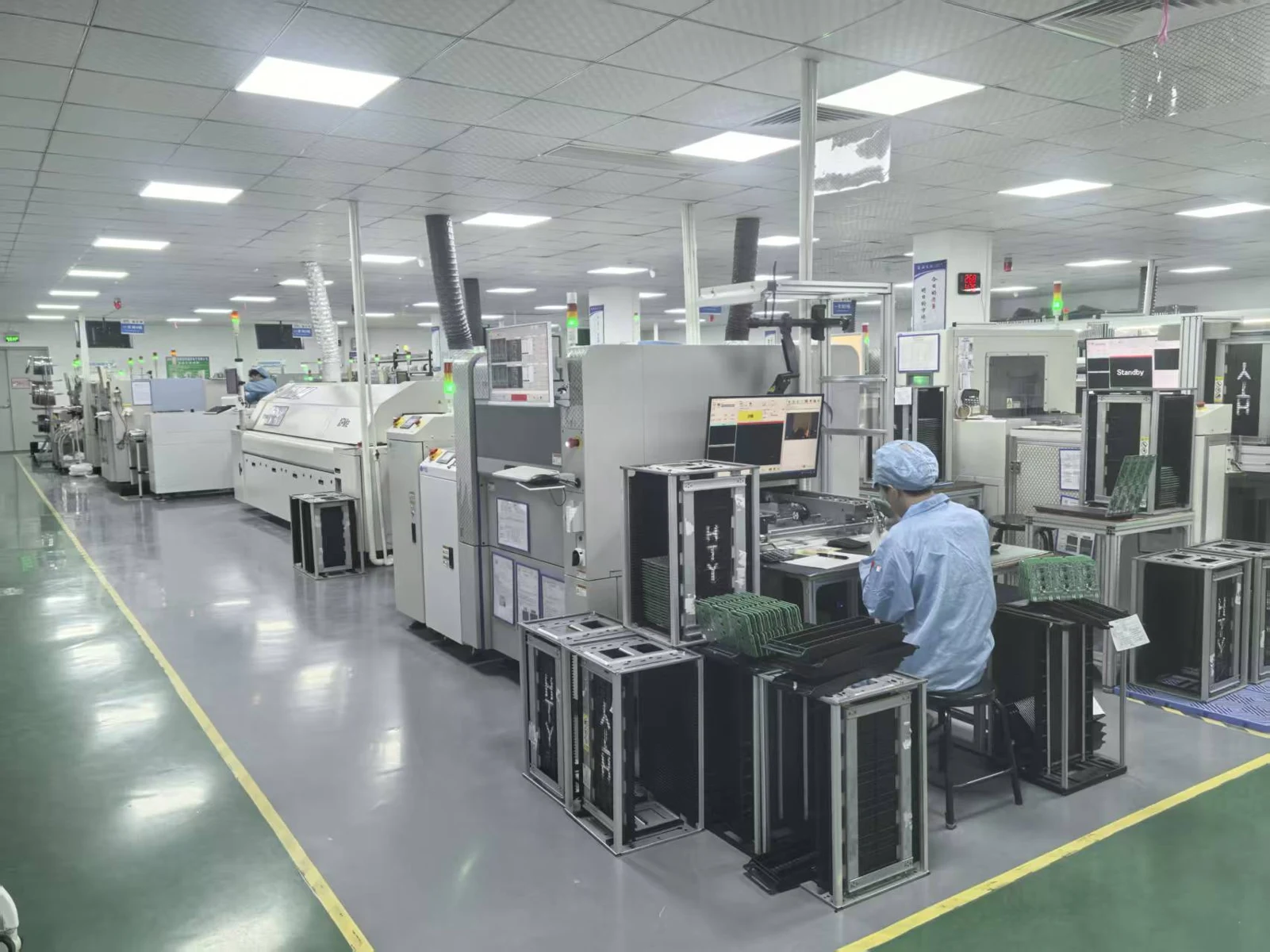
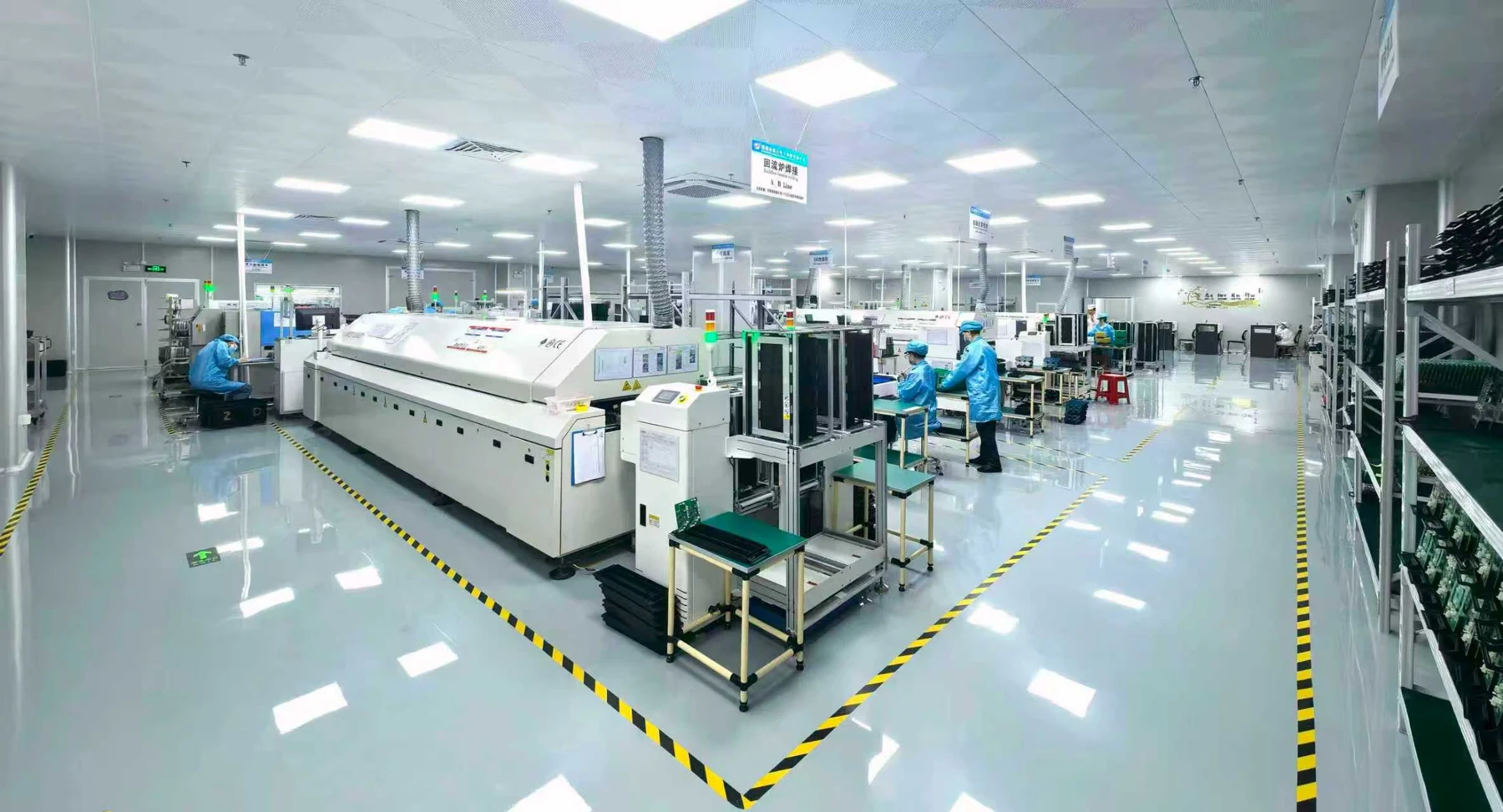
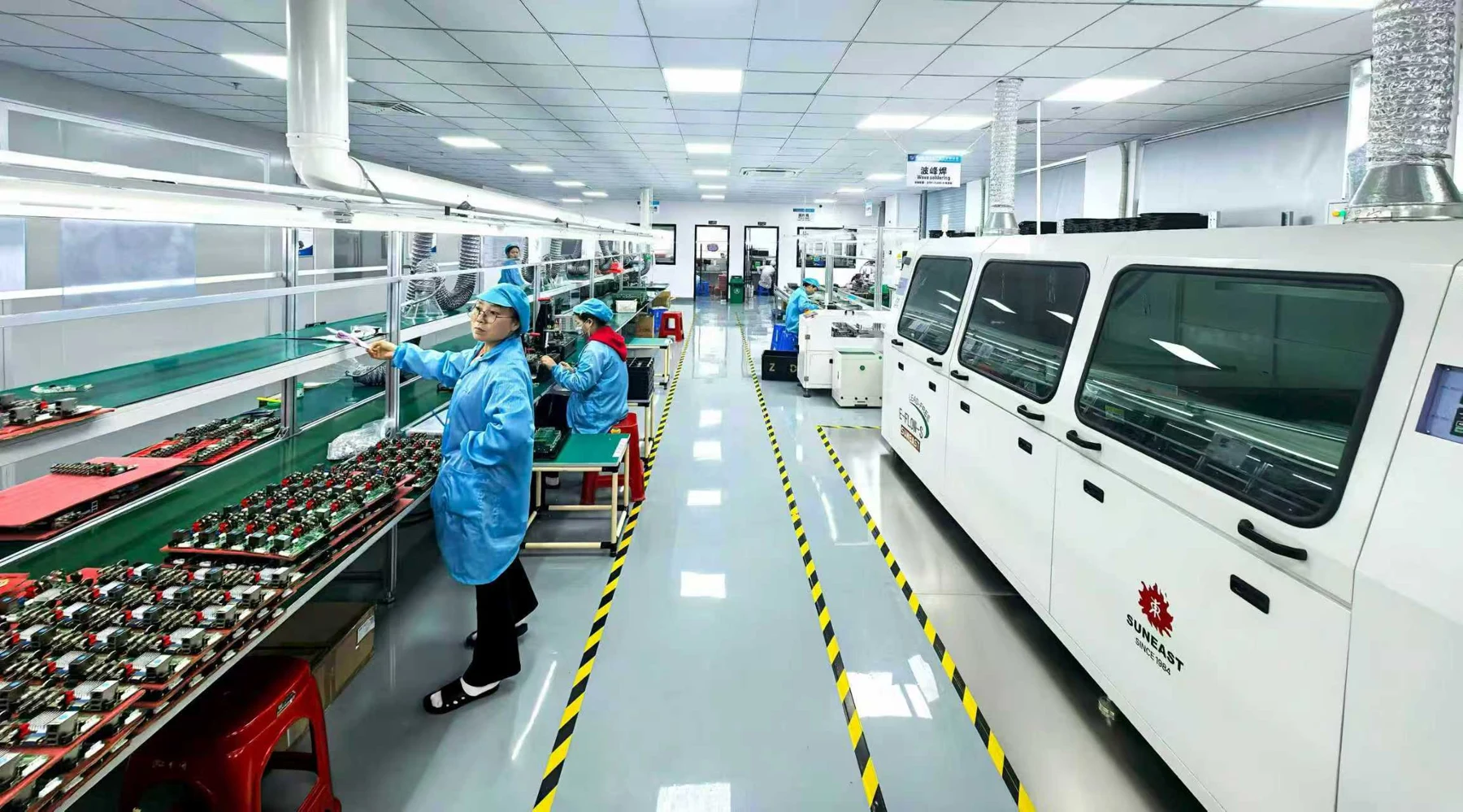
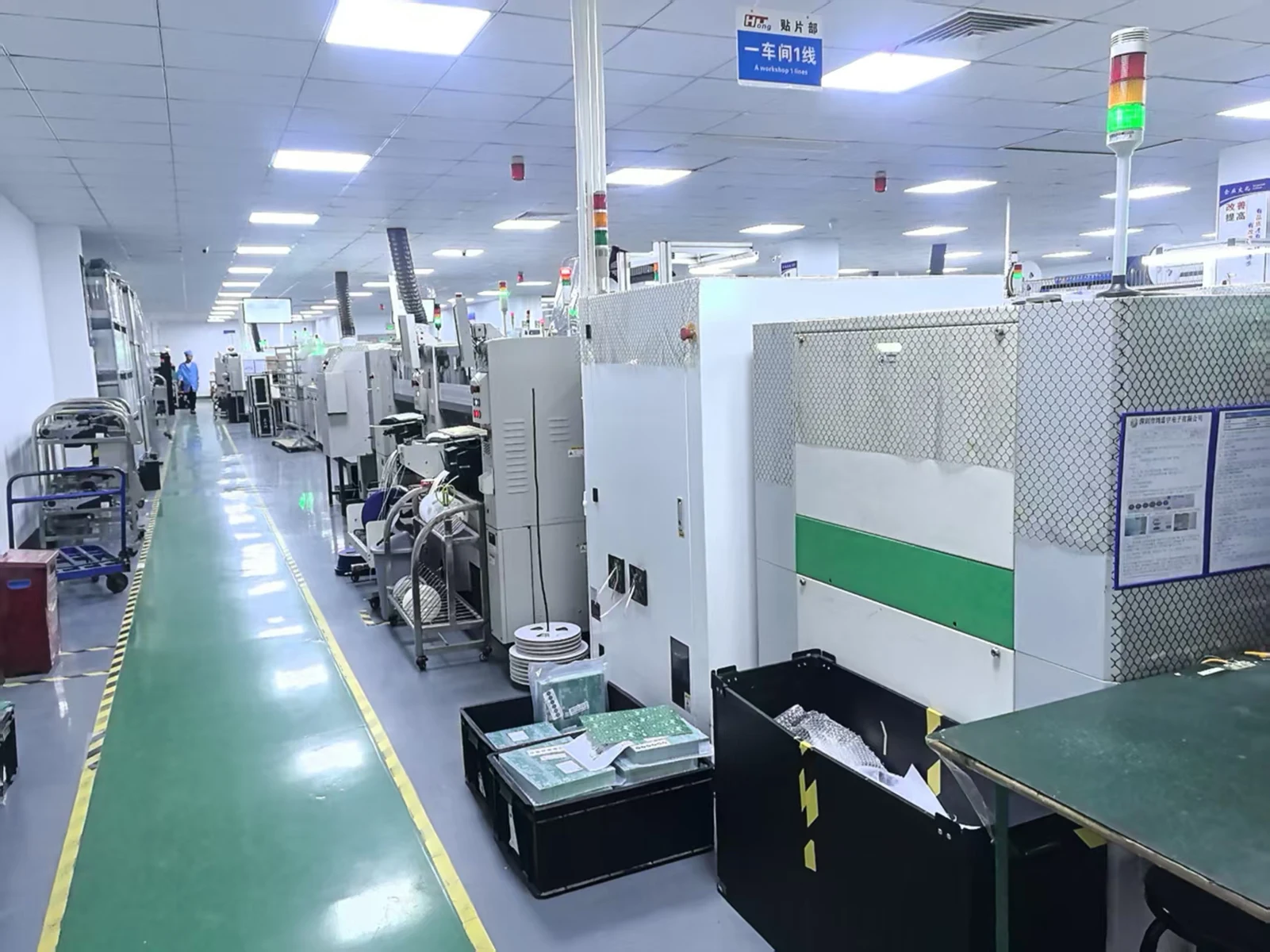
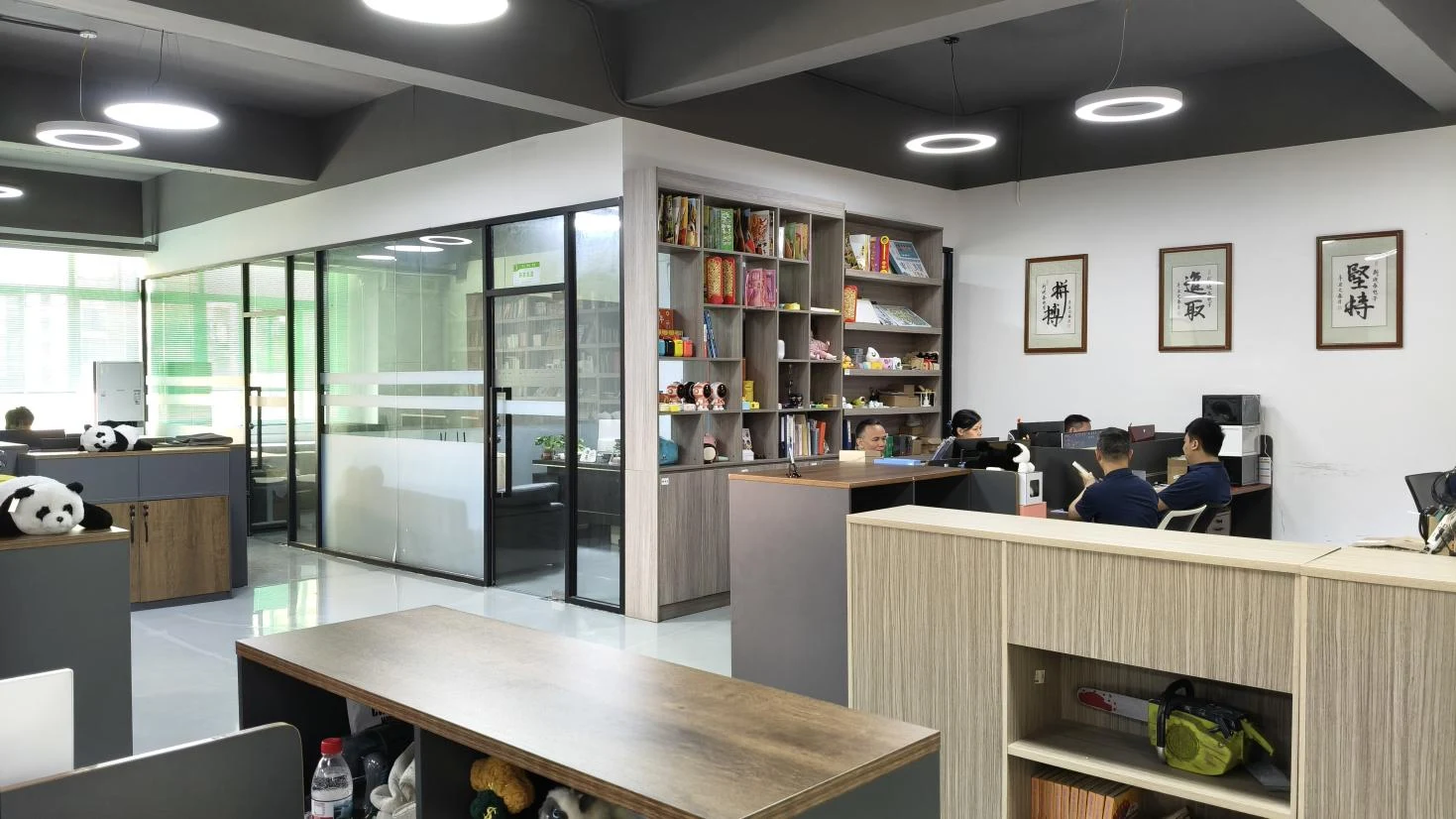
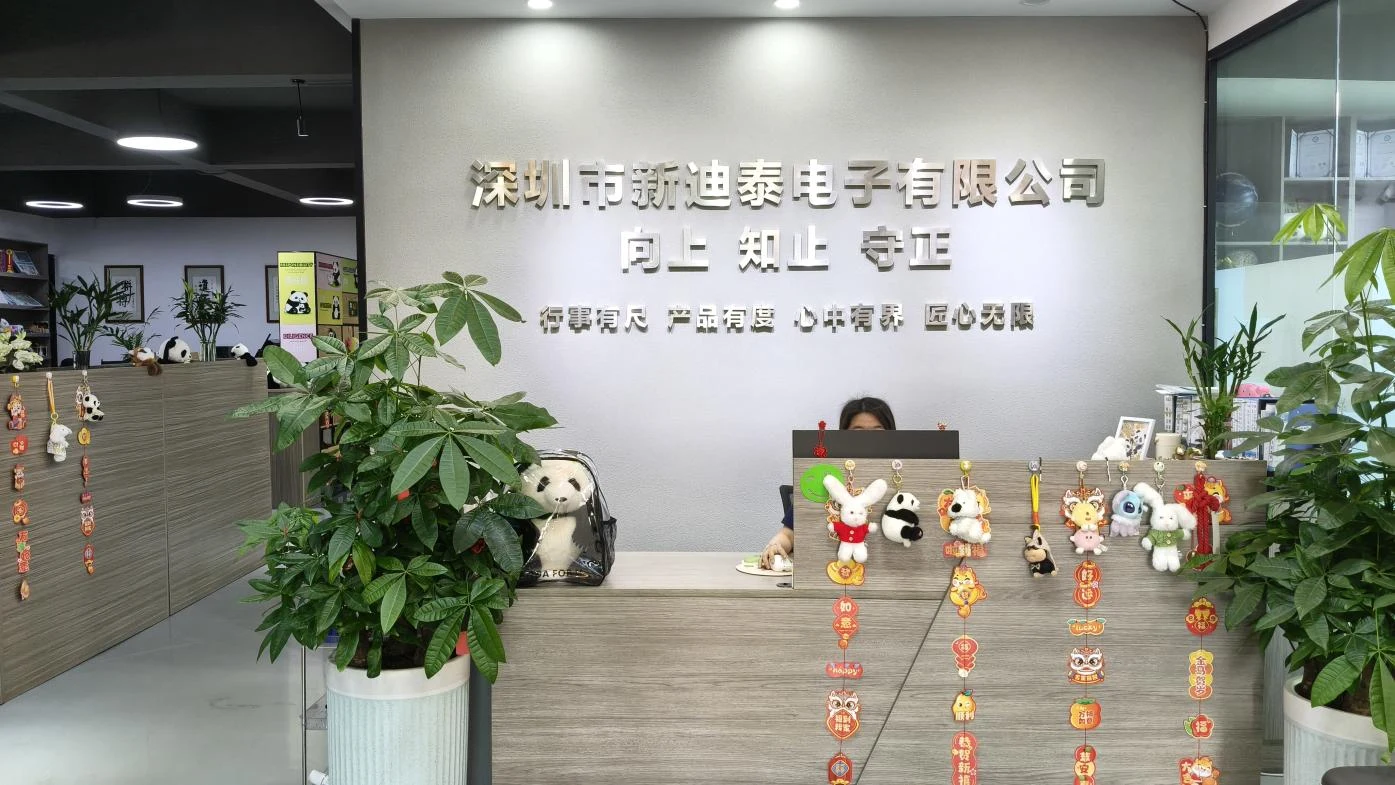
Production floor
Departments, photographed on site.
No stock imagery — these are taken inside the factory.
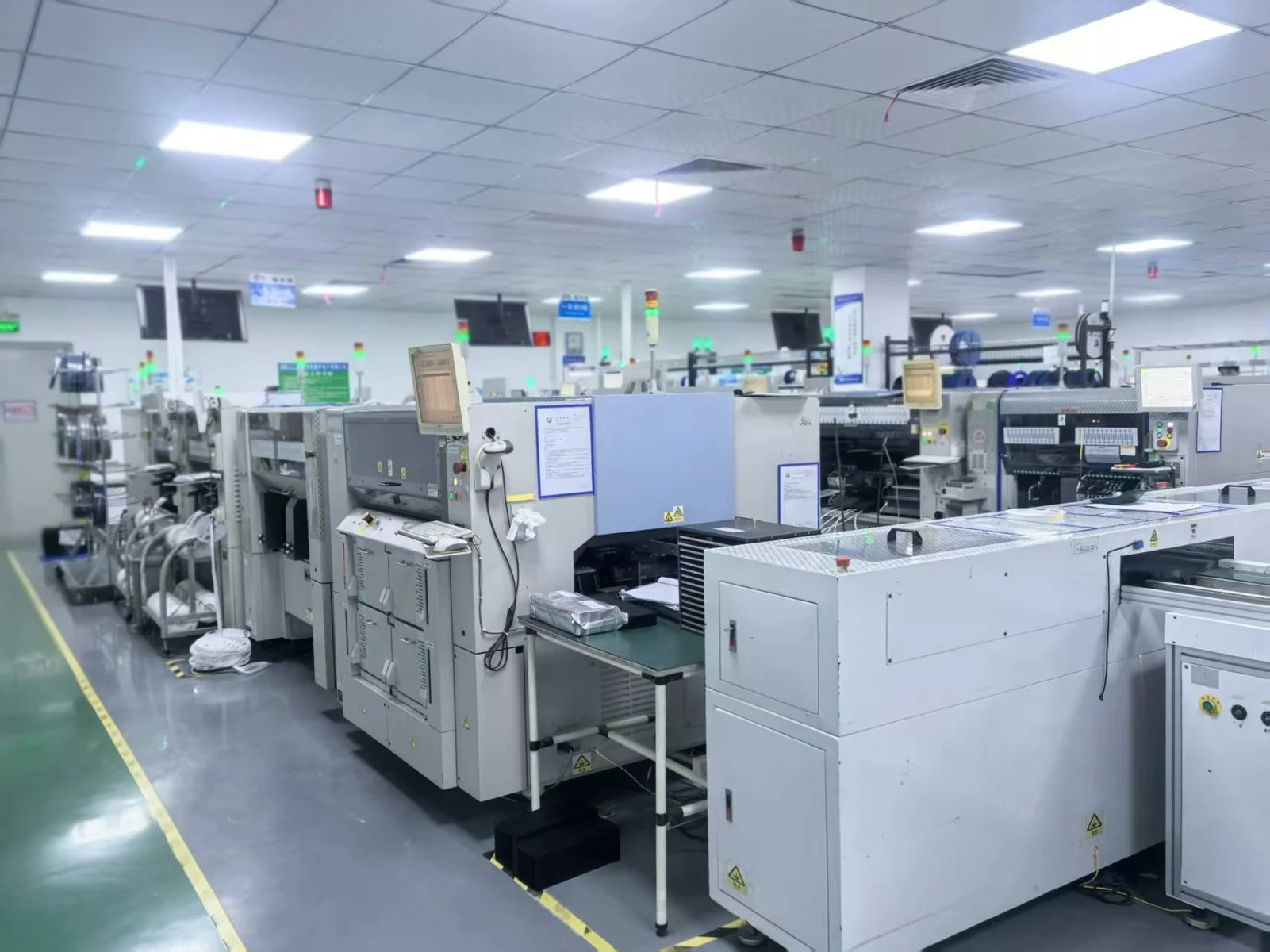
More views
Additional production and inspection views.
Factory FAQ
Questions about the facility.
Can we visit the factory?
Yes, visits are welcome and are usually most useful once the product direction is defined — there is more to look at when a sample exists.
How many people work on production?
Headcount depends on the season and the programme mix. Specific figures are provided in a commercial discussion rather than published as a static number.
Do you have a minimum order for a first programme?
MOQ depends on tooling, materials and packaging rather than on a fixed house rule. The honest question is which of those is the constraint for your product.
Can you produce small quantities for a test market?
Sometimes, when the product uses existing platforms and stocked materials. A test market run that requires new tooling is usually not economic.
Ready to discuss your product?
Send a short brief and we will reply with the questions that actually affect cost, tooling and timing.
Start a project