Single launch
One card set, one language, device-stored audio and a simple reader. The simplest programme to quote.
LEARNING · CARDS · GUIDED CONTENT
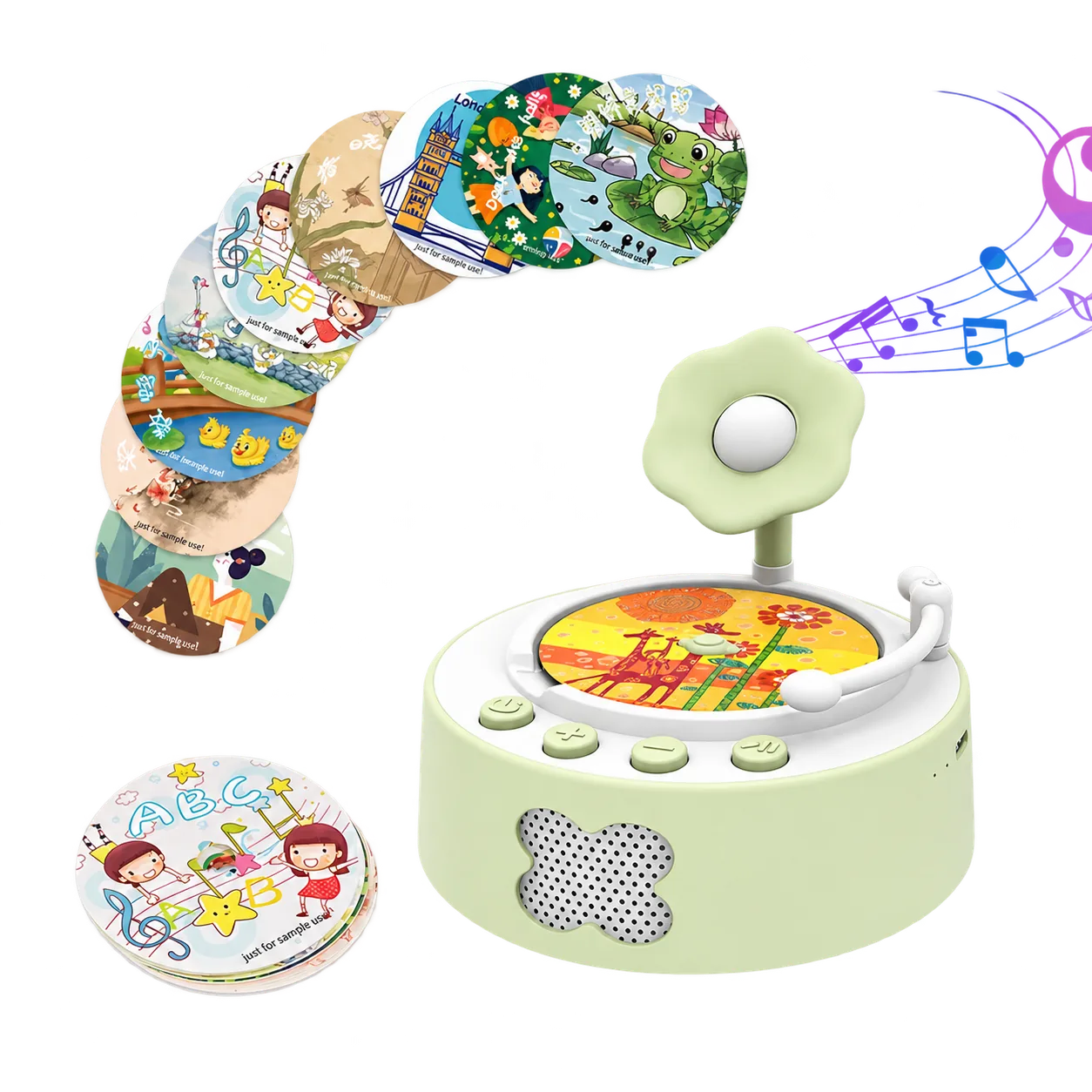
Card-based learning products are expandable by design: the hardware stays and the content grows. That is the commercial argument for the format, and it decides how the product should be built.
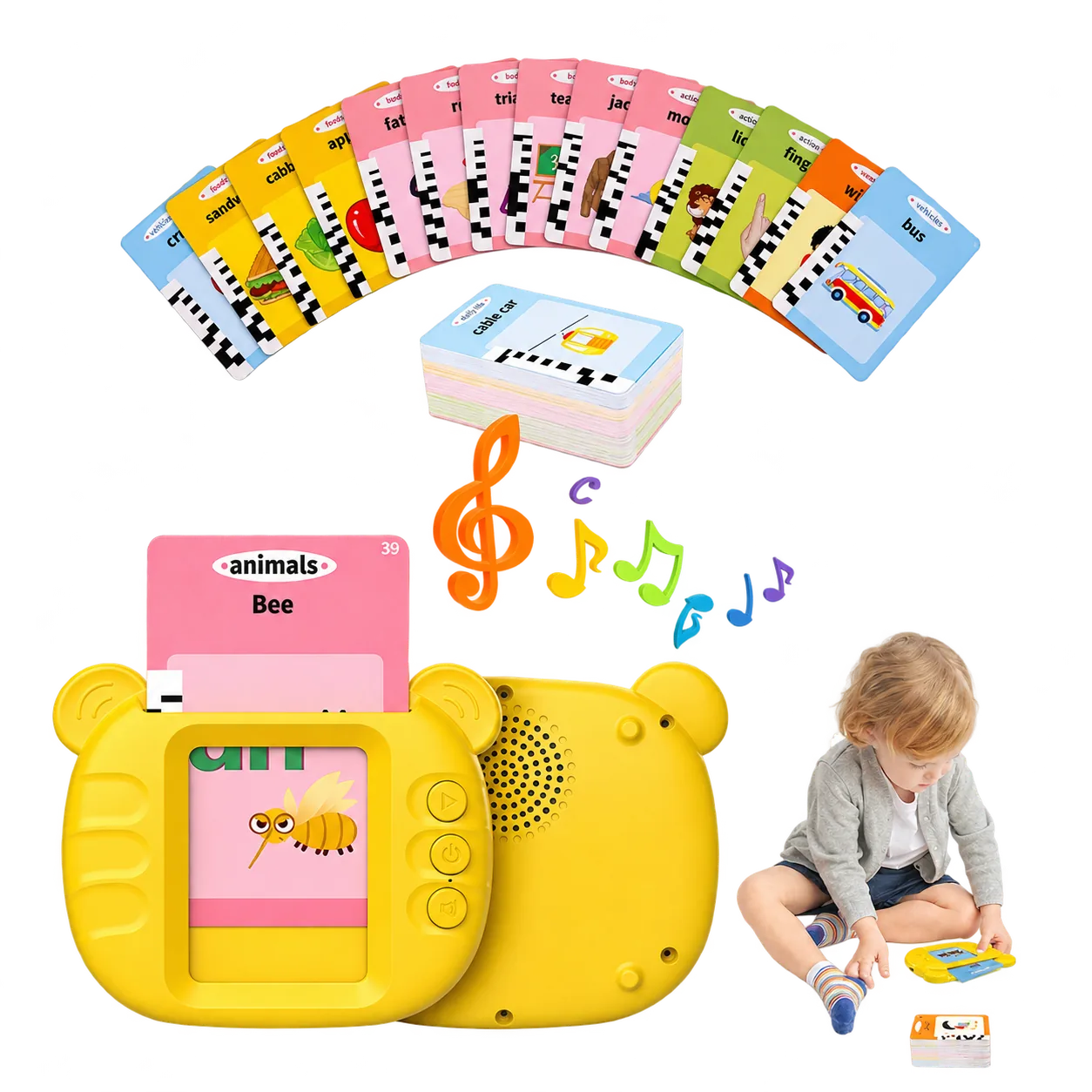
A card set can be extended without a new product. That single property explains why the format has survived every wave of screen-based learning: the reader is bought once, and the content can grow with the child or with the curriculum.
It also means the design work is split in a useful way. The reader is a stable platform; the cards and the audio library are the parts that change per edition, per language and per market.
How a card is recognised shapes everything else: the card construction, the reader’s sensing arrangement, how thick the cards can be, and how forgiving the interaction feels to a child.
| Method | How it works | Practical consequence |
|---|---|---|
| Physical key | Notches or holes in the card engage a switch | Cheap and reliable; limits card shapes and adds wear points |
| Contact pattern | Printed or embedded contacts are read by the reader | Thin cards and fine artwork; contacts are sensitive to dirt and handling |
| Electronic tag | A small tag inside the card is read without contact | Most forgiving placement and best durability; highest cost per card |
| Optical mark | A printed pattern is read by a sensor | Very low cost and thin cards; sensitive to print quality and surface wear |
If the audio sits on the reader, adding a language means a firmware or file update. If it sits on the card, the card set can be revised independently. Neither is better in general — the right answer follows from how often the content is expected to change after launch.
A brand planning a single launch will usually prefer device storage. A brand planning seasonal sets or several languages will usually prefer card storage, even though it raises the cost per card.
Learning products are usually marketed to a narrow age band, and the assessment and the packaging must agree with that band. Card thickness, corner radius, magnet presence and the size of any detachable part all follow from it.
It is worth confirming the age grade before the card format is fixed. A card construction that is appropriate for a five-year-old may not be appropriate for a two-year-old, and changing card construction late is expensive.
Reference library
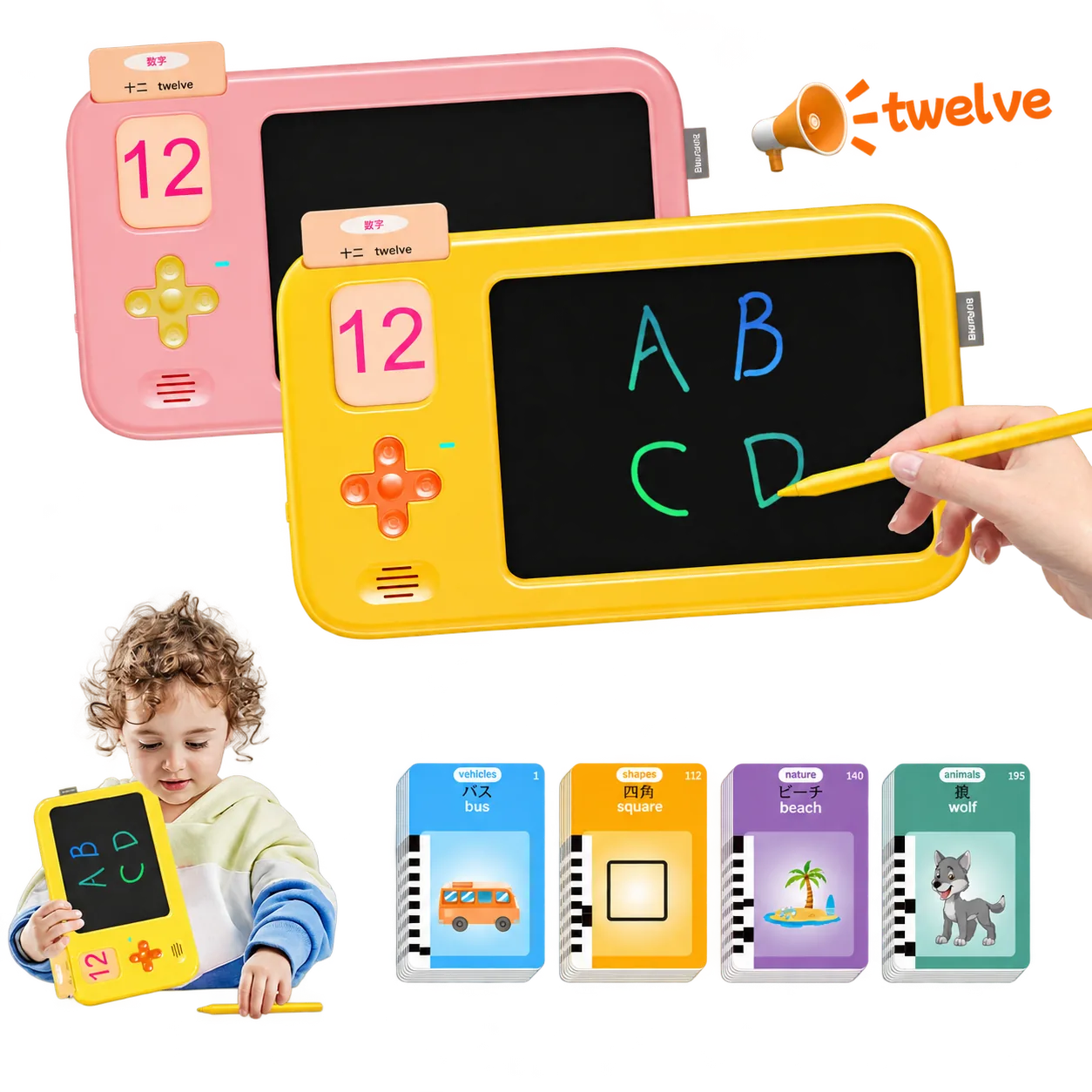
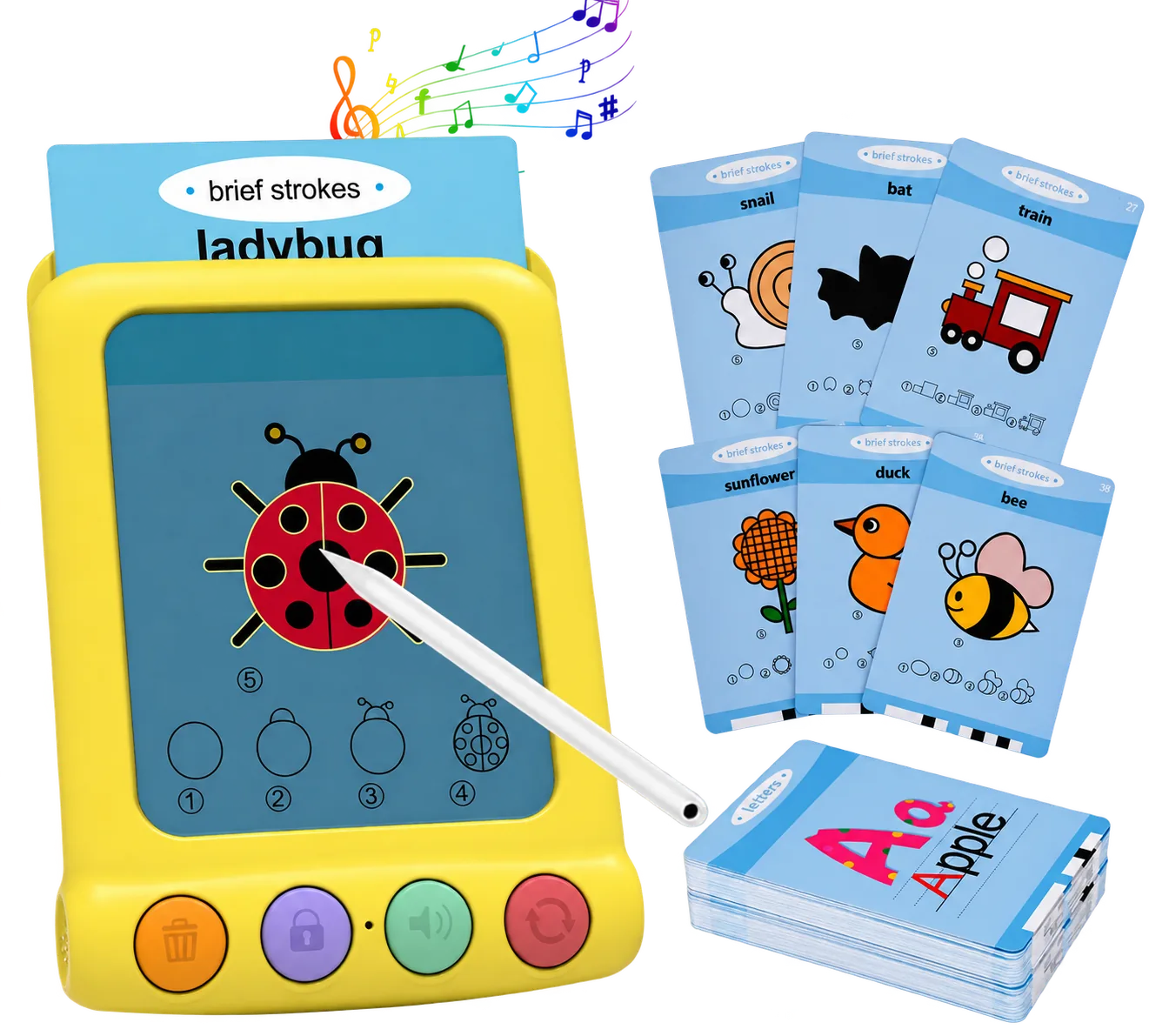
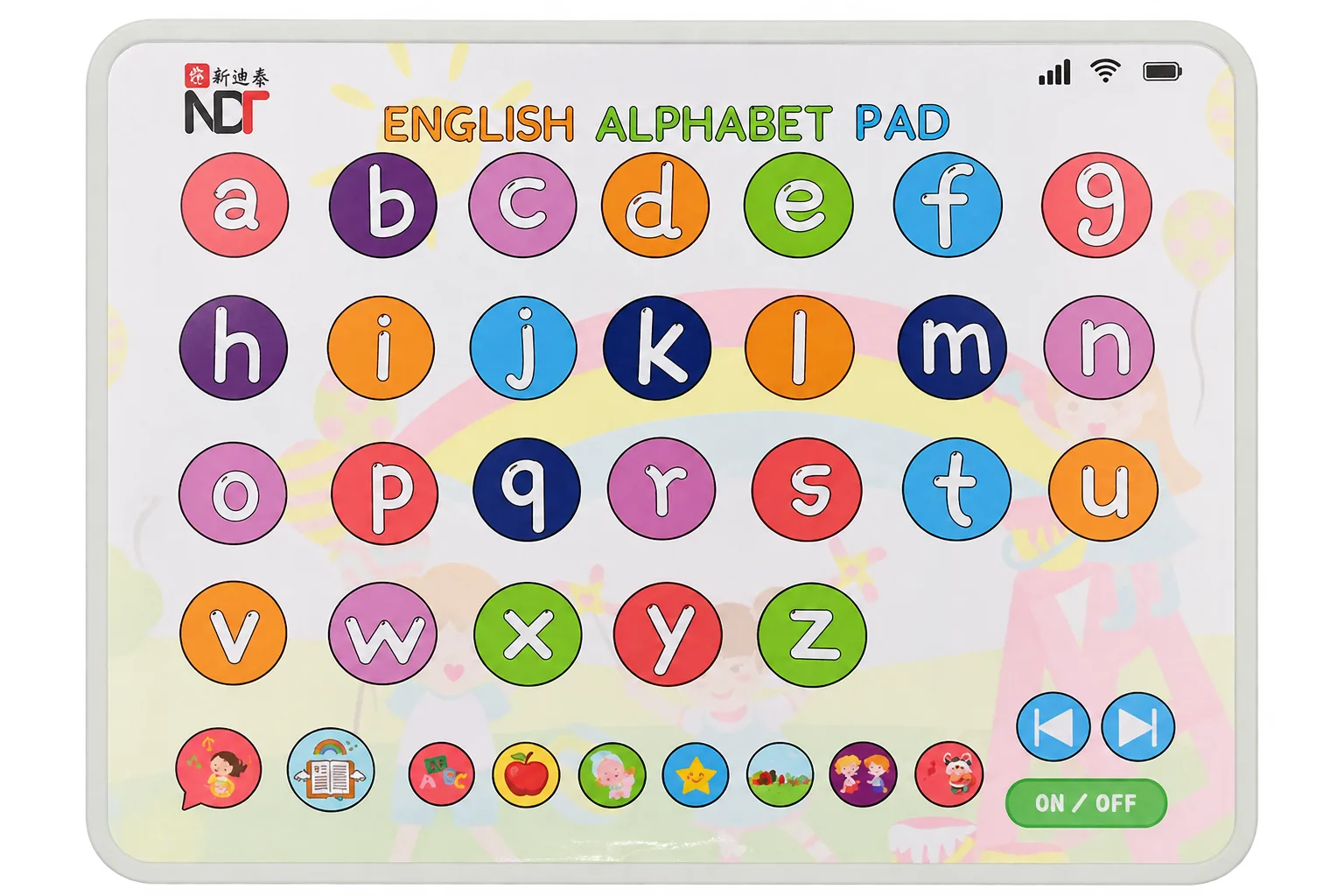
Card readers, learning pads and guided drawing products.
Programme shapes
The same engineering supports quite different products depending on the content scope.
One card set, one language, device-stored audio and a simple reader. The simplest programme to quote.
A stable reader with new card sets each season, which shifts the cost to per-card tooling and print.
Larger sets, clearer audio and a control layout that a teacher can use without instruction.
Learning product FAQ
Yes. Whether switching happens through a card language set, a device switch or a firmware setting is a product decision that affects cost and the interaction.
It depends on the construction. Thick board with a sealed edge lasts far longer than thin printed card, and the identification method determines whether thickness is available.
That is the main reason to choose the format. The reader platform stays and the sets are produced against the same interface.
We can produce recordings against an approved script, or work with audio the brand supplies.
Send a short brief and we will reply with the questions that actually affect cost, tooling and timing.
Start a project