Incoming material
Fabric, filling, boards, batteries and printed components checked against the approved specification before they enter production.
QC · TESTING · DOCUMENTATION
Quality on a toy is not a final inspection. It is a set of checkpoints starting with incoming material — because most defects that reach the end of a line were introduced long before it.
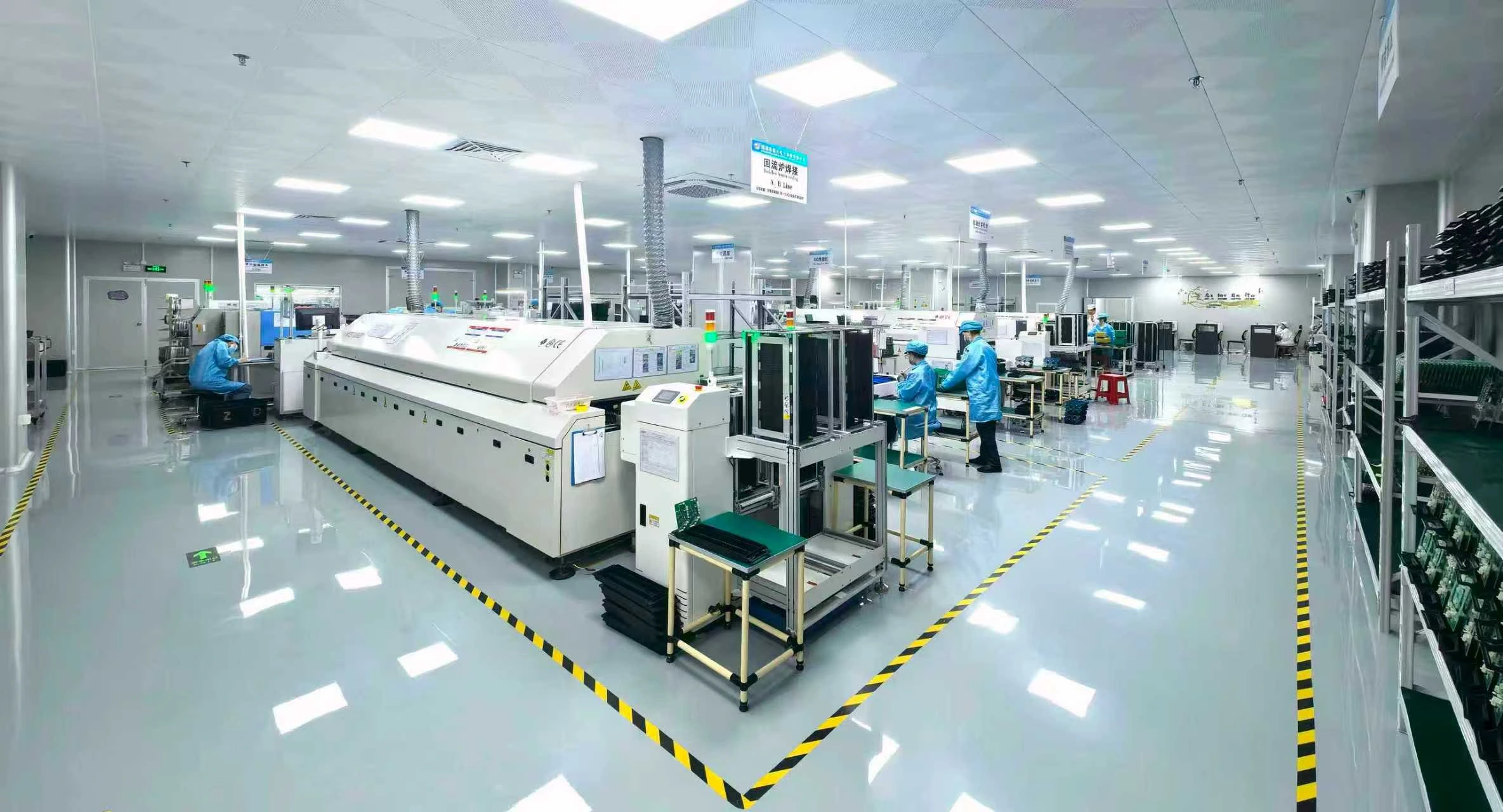
Four checkpoints
Each checkpoint catches a different class of problem. Removing one only moves the failures downstream.
Fabric, filling, boards, batteries and printed components checked against the approved specification before they enter production.
Stitch and seam checks, electronics functional tests and assembly checks during the run, not after it.
Finished units compared against the approved sample: appearance, function, packaging and labelling.
Inspection records, test reports and the configuration of the approved sample, handed over with the batch.
Plush products fail in specific ways, and the inspection plan should target them rather than apply a generic checklist.
Electronic products have their own failure modes, and most of them are testable before the product is closed.
The certificate is issued by an accredited laboratory. What a factory contributes is the product being ready for the assessment: the right materials, the right age grading, the right labelling and the right documentation.
The applicable standard depends on the product and the destination market, and the earlier the test plan is agreed, the fewer surprises there are at the end. A product designed without the assessment in mind often needs physical changes that affect tooling.
| Stage | What the buyer should confirm | When |
|---|---|---|
| Brief | Target market, age range and any customer-specific requirements | Before design |
| Design | Materials, battery choice and any restricted substances | Before tooling |
| Sampling | The test plan and which samples go to the laboratory | During sampling |
| Production | Labelling, warnings and language requirements for the destination | Before packing |
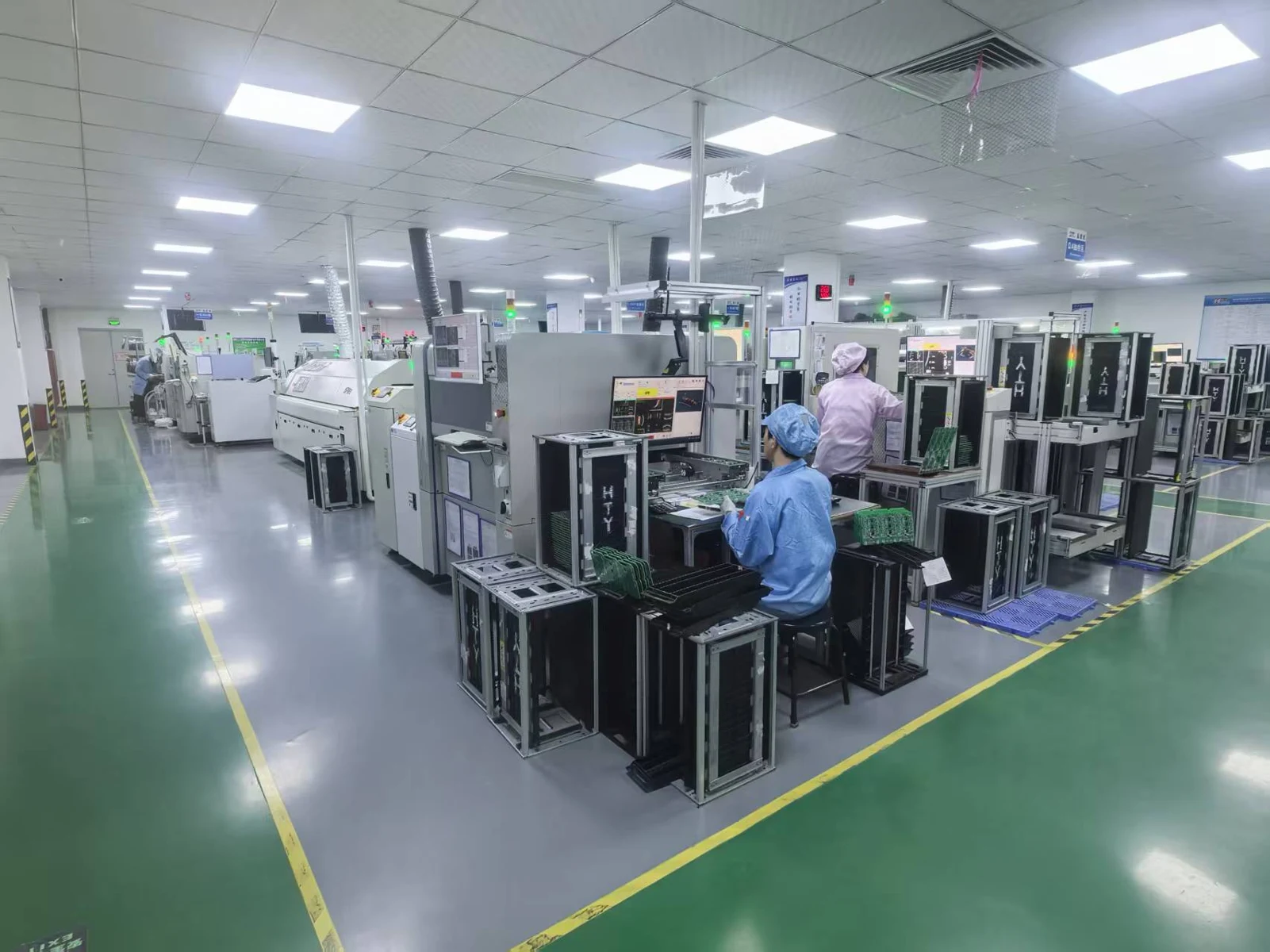
In-house testing
A significant share of defects can be caught in-house before a sample goes anywhere. Functional tests, audio checks, pull tests and appearance checks all run on site.
What cannot be done in-house is certification itself — that requires an accredited third-party laboratory. The split matters because it determines what a factory can promise and what it cannot.
Quality FAQ
We provide the inspection records for the batch and coordinate the laboratory testing the product requires. The certificate itself is issued by the laboratory.
Yes. Third-party inspection is normal practice and is accommodated as part of the schedule.
AQL is an acceptance sampling method. Whether it applies, and at what level, is agreed per project — it is a commercial term rather than a manufacturing one.
Through the handover pack: the batch documentation, the approved sample configuration and the agreed after-sales terms.
Send a short brief and we will reply with the questions that actually affect cost, tooling and timing.
Start a project