Pattern & sample room
Pattern making, prototyping and the physical rounds that get the face right.
SOFT GOODS · PATTERN · PRODUCTION
Plush manufacturing looks simple from the outside and is not. The pattern, the fabric, the filling and the finishing each decide how the finished product reads — and on an electronic plush, they also decide whether the hardware fits.
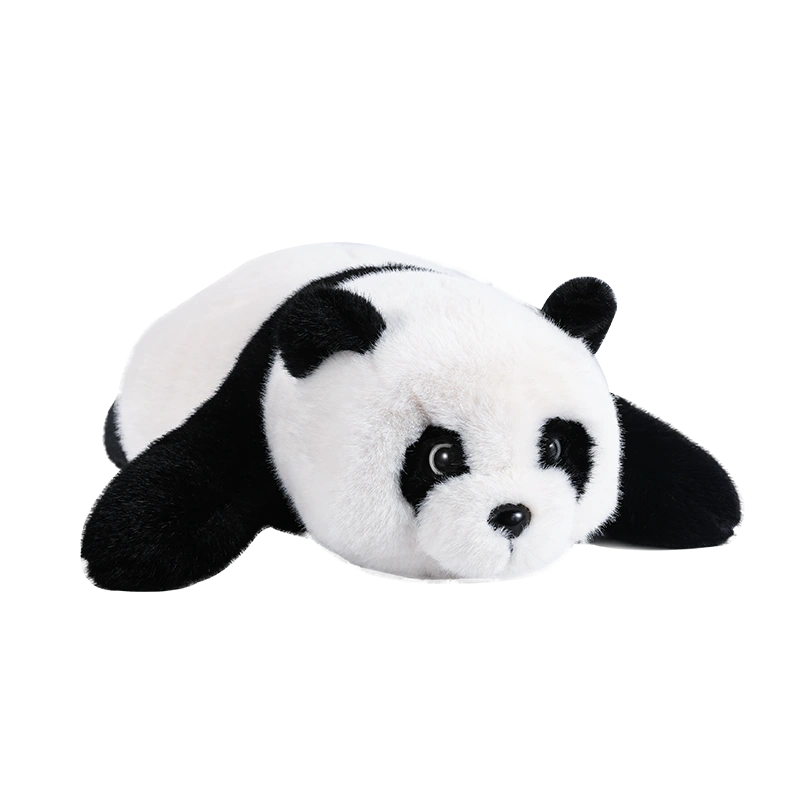
A plush pattern turns a drawing into a three-dimensional object. That translation is not mechanical: the same drawing can produce a face that reads correctly at one size and not at another, and a body that sits upright at one filling density and slumps at another.
Most character programmes need at least one physical round before the face is right. That is normal, and it is worth planning for rather than treating as a rework.
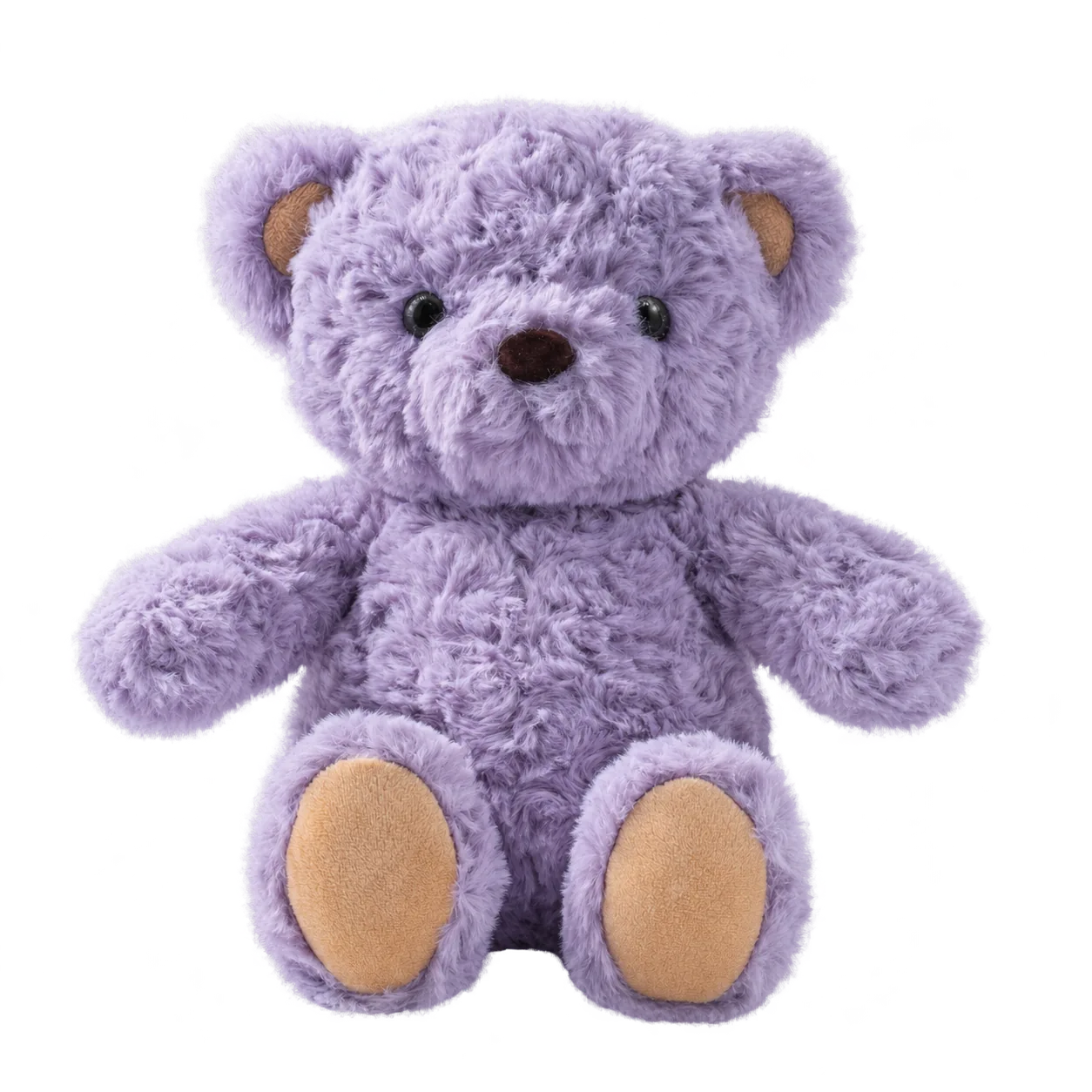
Fabric determines how the product feels, how the colour reads and how the surface survives handling. Pile direction changes the apparent colour across a surface; dye lots vary; the same colour specification looks different on two fabrics.
Approving colour on paper or on screen is the most common avoidable mistake in this category. Approve it on the actual fabric, under the lighting the product will be seen in.
Filling density decides the silhouette, the weight and how the product settles when held. On a plush with electronics it also decides how much sound escapes: the same speaker behind a thicker layer of filling reads noticeably duller.
Finishing — the face embroidery, the seams, the small details — is where unit-to-unit variation appears first. That is why finished samples should be inspected across several units rather than one.
Production runs against the approved sample, not against the drawing. The approved sample carries its configuration — fabric, colour, filling, artwork revision — and in-line inspection compares against that reference.
On plush, the checks that matter most are the ones that cannot be corrected later: the face, the symmetry, the seams at stress points and the colour consistency across the batch.
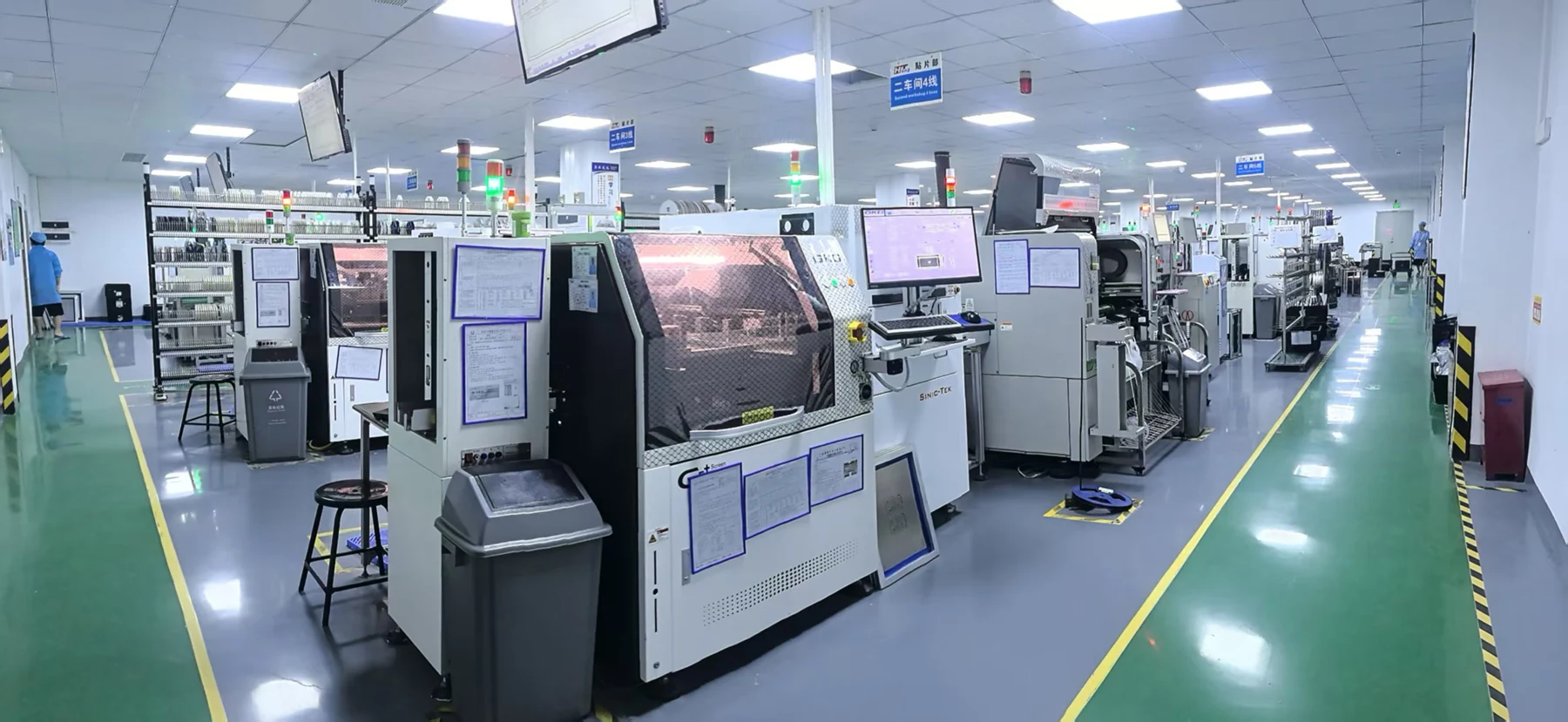
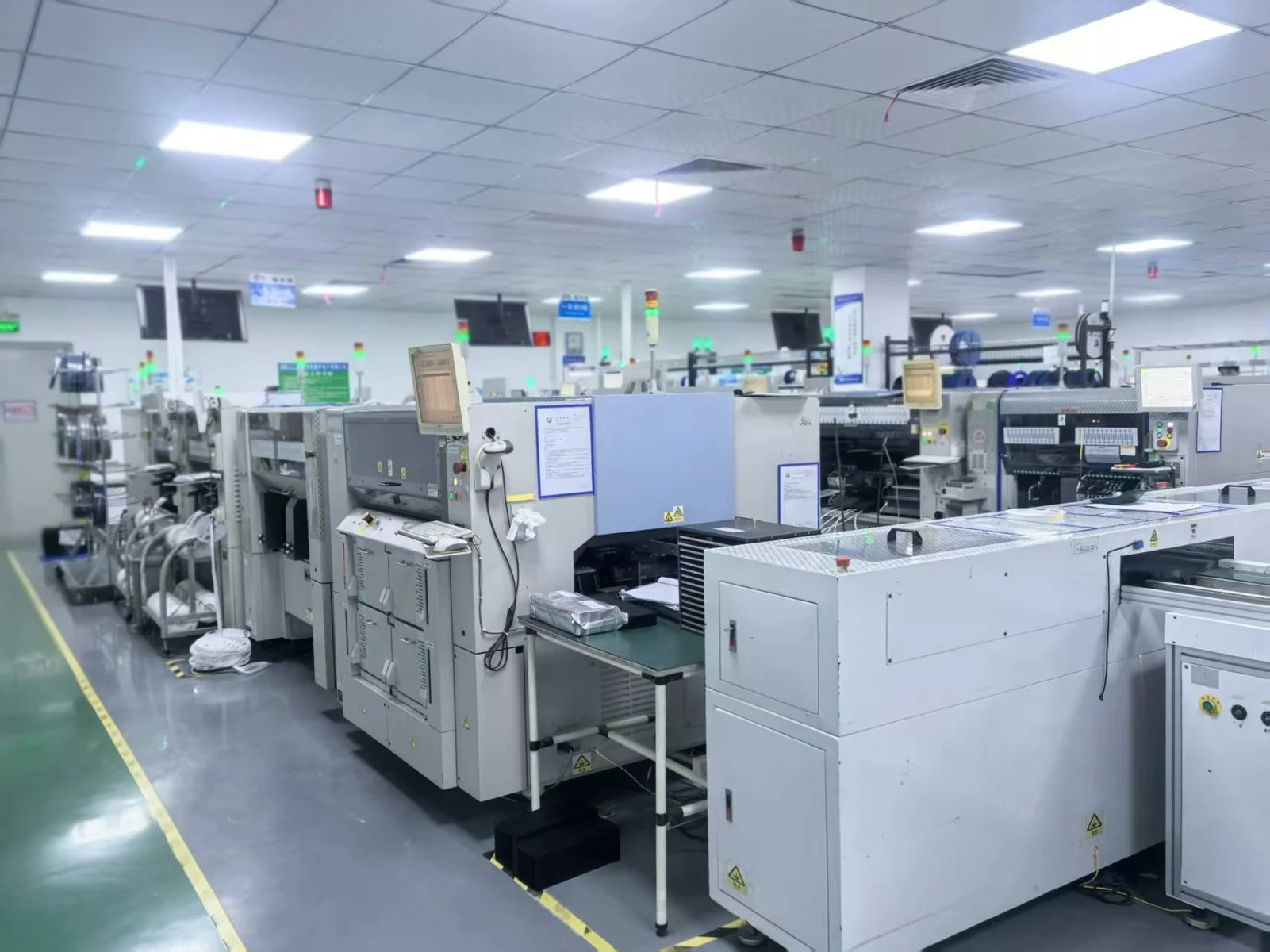
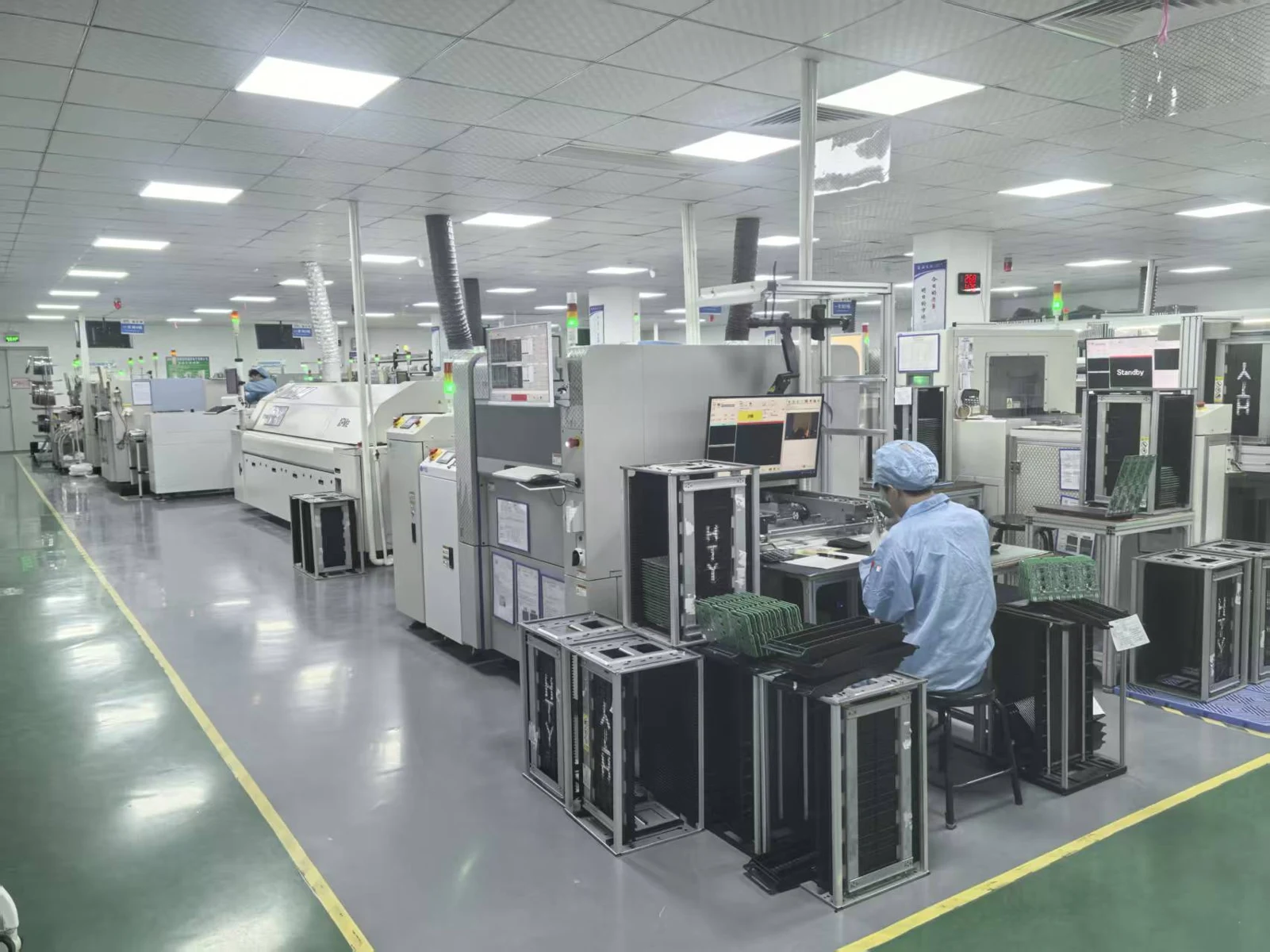
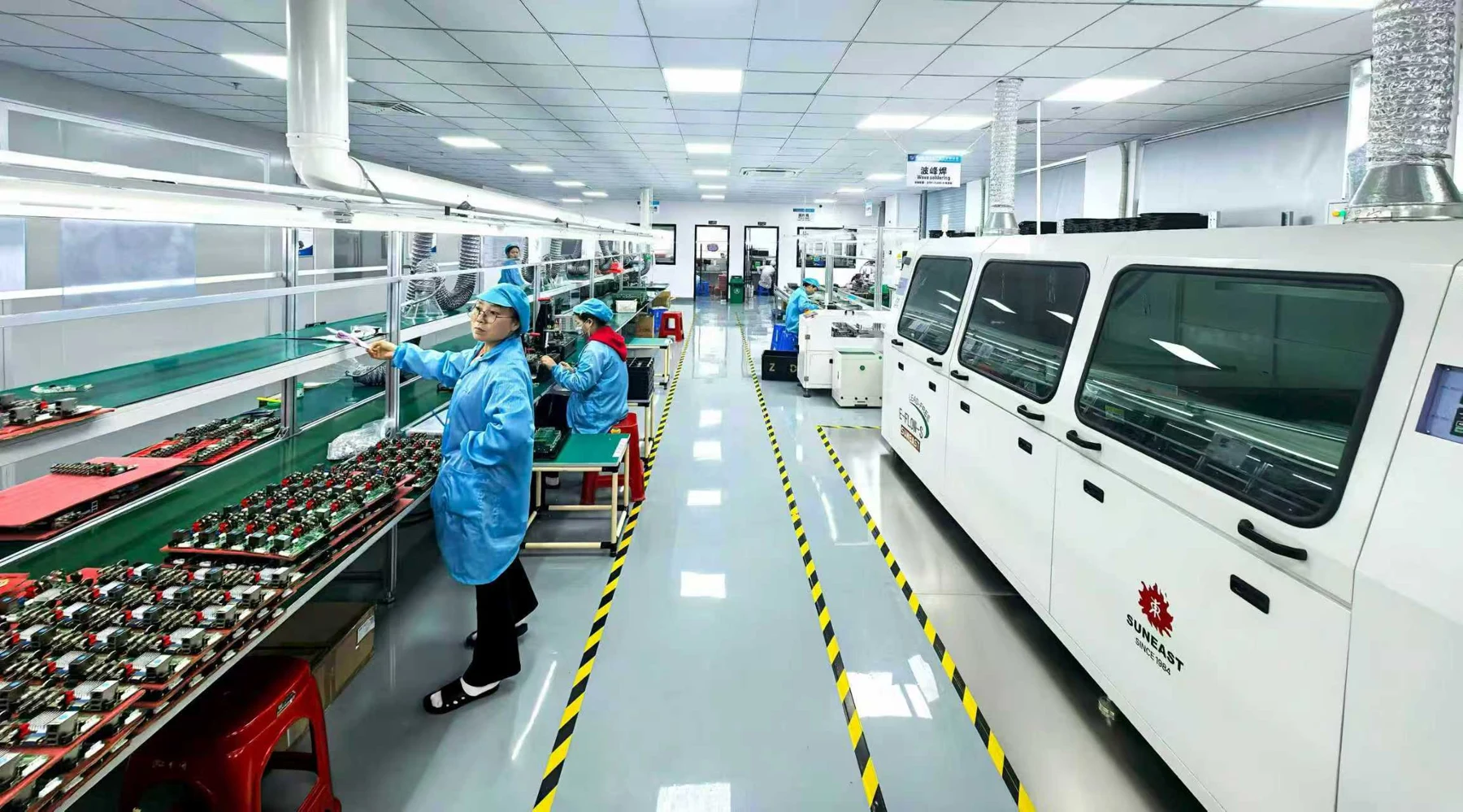
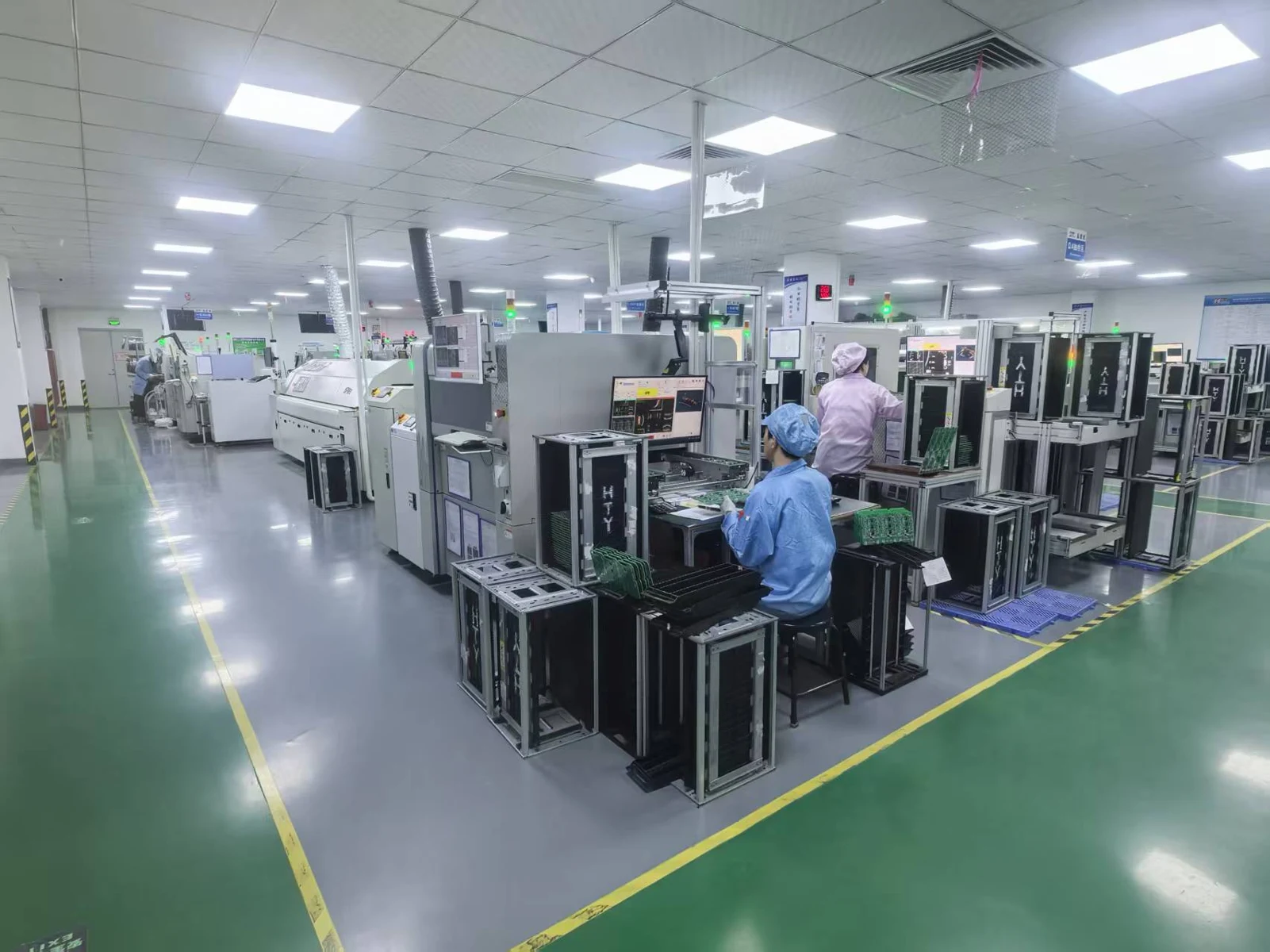
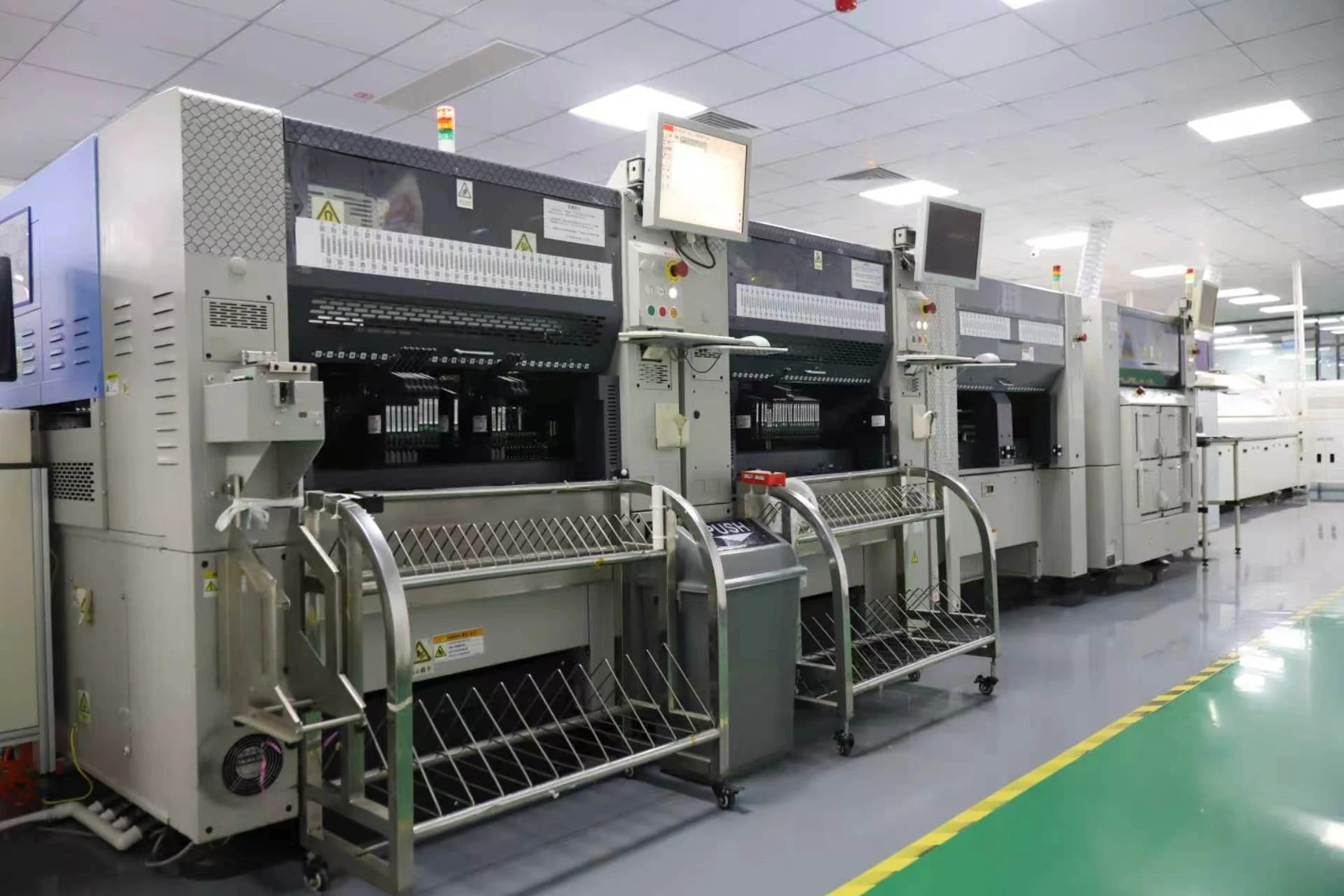
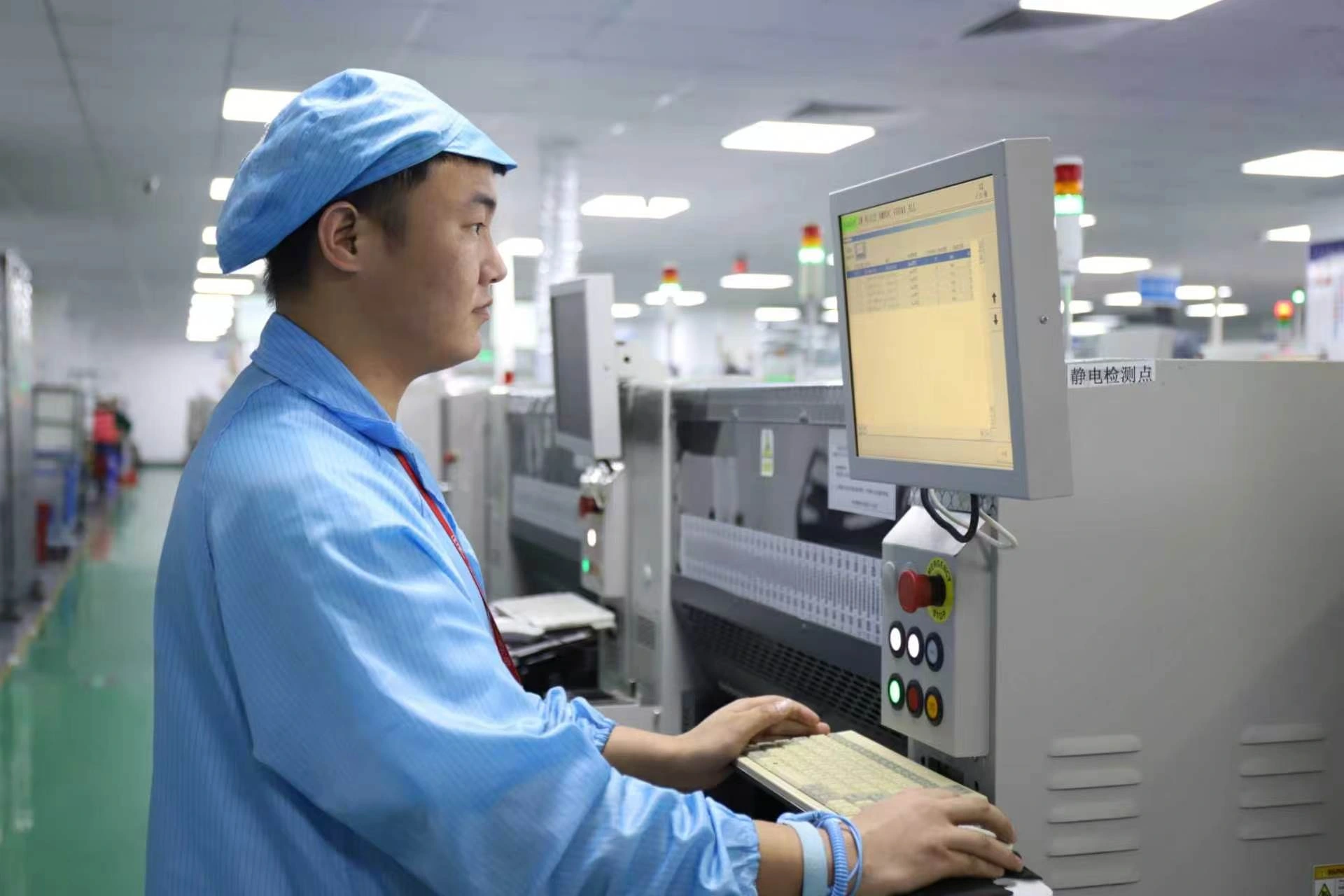
Production floor
Photographed inside the factory.
Case detail
A plush rabbit looks like an easy assignment until the ears are considered. They add weight above the head, they can cover a speaker, and they tend to flop unless the pattern gives them support.
The answer is usually to build a support inside the ear rather than to shorten it. That changes the pattern, the assembly steps and the filling — and it is exactly the kind of decision that is cheap before tooling and expensive afterwards.
What we do in-house
Vertical integration is not a slogan here — these are the departments that exist on site.
Pattern making, prototyping and the physical rounds that get the face right.
Fabric cutting, sewing lines and the handling of pile fabrics and trims.
Filling, weighting, face finishing and the final checks before packing.
Plush manufacturing FAQ
Yes, if the brand holds the rights and can supply the reference. Matching a physical sample is faster than matching a drawing, because the third dimension is already resolved.
It depends on the complexity of the pattern and whether the electronics are new. A new body with new electronics takes longer than an existing platform with a new character.
Yes. A significant part of the work is soft goods only, and the same pattern and production capability applies.
On the actual fabric, under the intended lighting. Approving colour on screen is the most common avoidable error in plush production.
Send a short brief and we will reply with the questions that actually affect cost, tooling and timing.
Start a project