Sound books
A companion print product carrying the same content world — often the fastest way to extend a character.
AI PLUSH · VOICE · CONNECTED AUDIO
A custom AI plush toy combines a soft body, a connected device and a content service. We develop all three together — because the speaker, the battery and the pattern have to agree before the first sample is worth making.
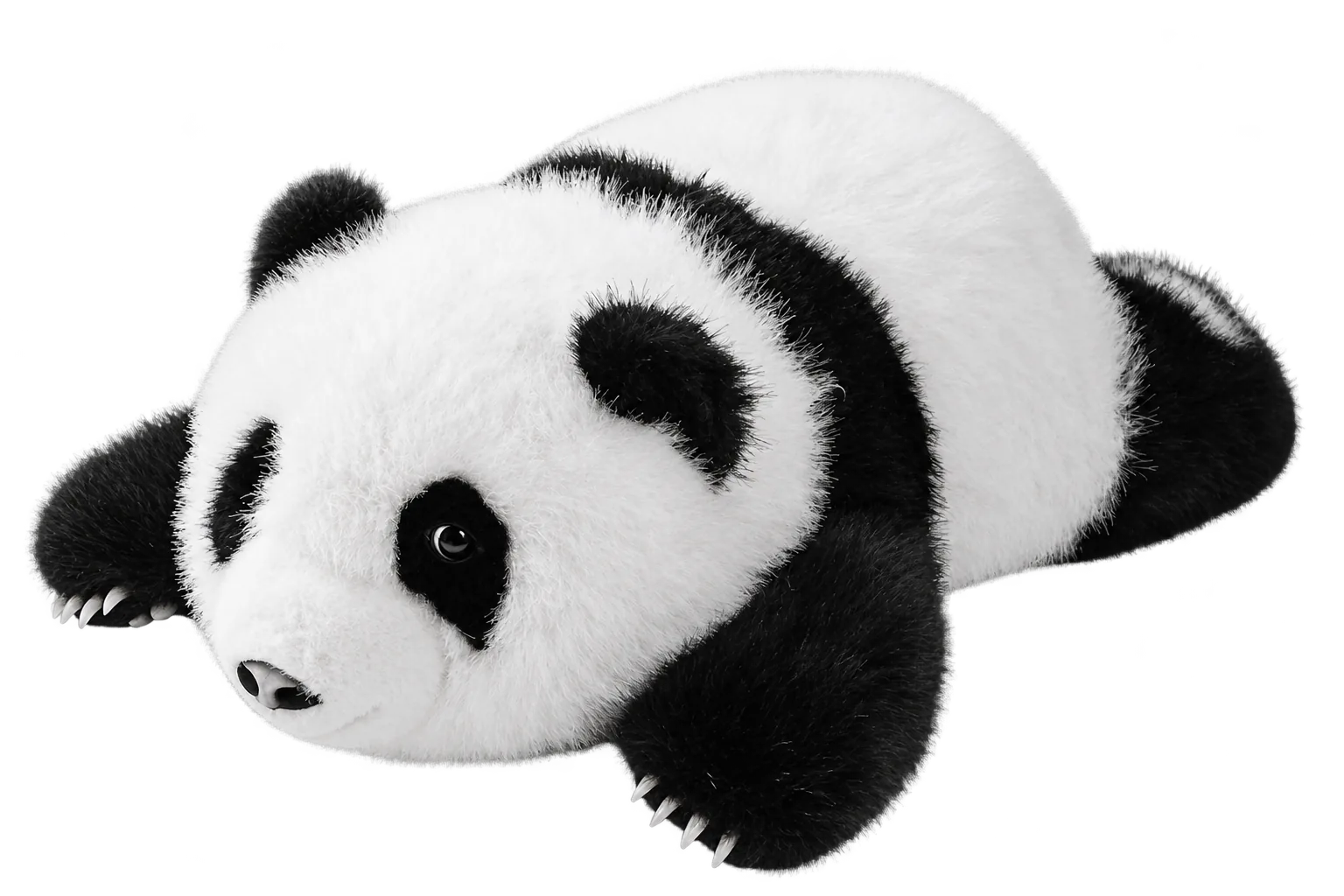
A talking toy plays a fixed track when a button is pressed. An AI plush toy responds to what the user does: it listens, answers, and often changes what it says over time. That difference moves the engineering problem from the audio module to the whole product.
The plush body has to hold a speaker that can be heard clearly through fabric, a microphone that can hear a child sitting in front of it, and a battery that keeps all of it running. Each of those wants space the plush pattern does not naturally provide.
The service layer is the second difference. A conversational product depends on a service with a defined scope and term. Buyers should know what the product does when that term ends — and that question belongs in the brief, not in the manual.
Push-to-talk, continuous listening and touch-triggered interaction behave very differently in terms of power use, privacy expectations and how a child understands the product. Choose the model deliberately. A product that listens continuously needs a clear answer for what happens when it is not wanted.
Battery placement is not a mechanical detail. It affects balance, weight distribution and how the product feels when held, and it has to be reachable for charging. Moving a battery after the pattern is approved means rebuilding the body.
Wi-Fi keeps the bill of materials lower but ties the product to a home network and to a parent who can set it up. A cellular module removes the setup step and adds certification, data cost and a service contract. Neither is universally better; the choice should follow the audience.
The voice is the product. A generic assistant voice in a plush character reads as an unfinished product, no matter how good the plush is. Voice casting, script style and the pacing of answers belong in the development plan.
An AI plush toy usually falls into a stricter assessment than the plush alone, because it contains electronics, a battery and — in many markets — a radio. Age grading is decided by the assessment, not by how the product looks, and it should be confirmed before the packaging copy is written.
Practical consequences: small parts and detachable accessories are constrained for younger users, battery access is usually made adult-only, and the charging method has to be simple enough that an adult can perform it every time.
A brief that answers these five questions is enough for a useful first response:
From there we respond with the constraints that matter: the tooling implied by the body, the electronics platform that fits the interaction, the content scope the timeline allows, and the questions that will change the cost.
The most expensive AI plush programmes are the ones where the plush was designed before the electronics were specified.
Reference library
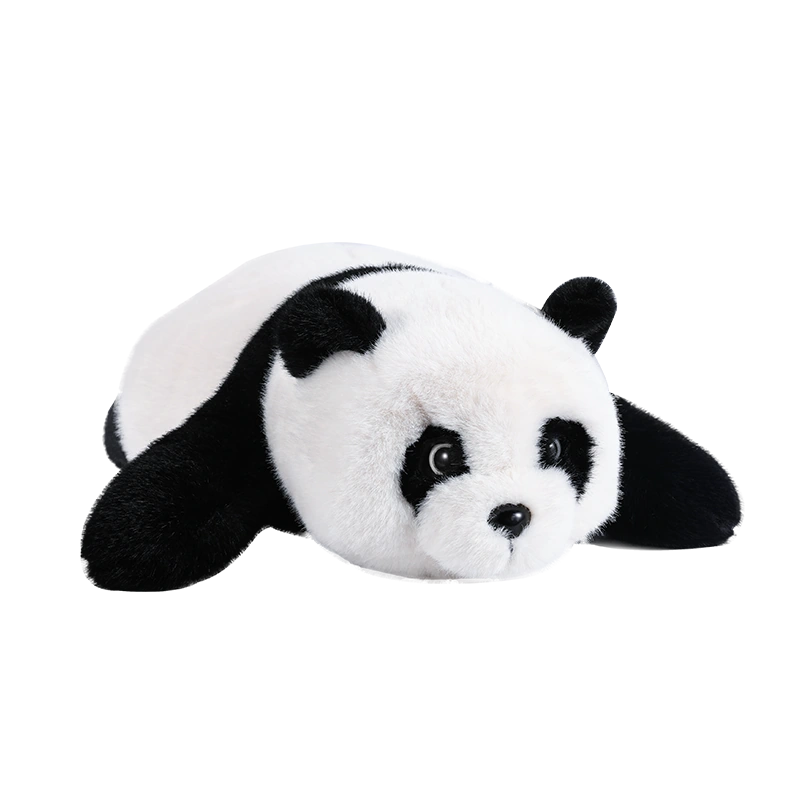
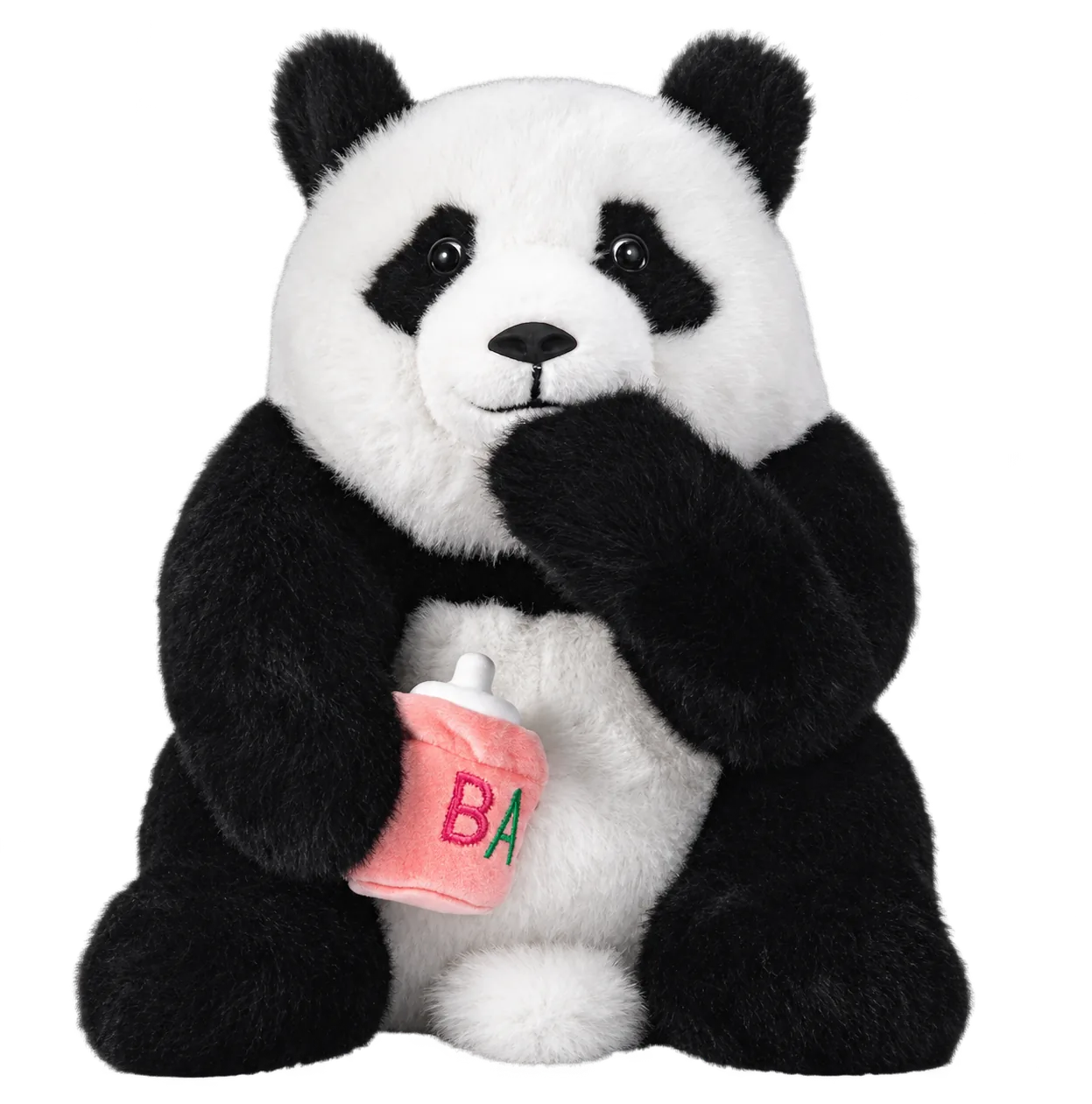
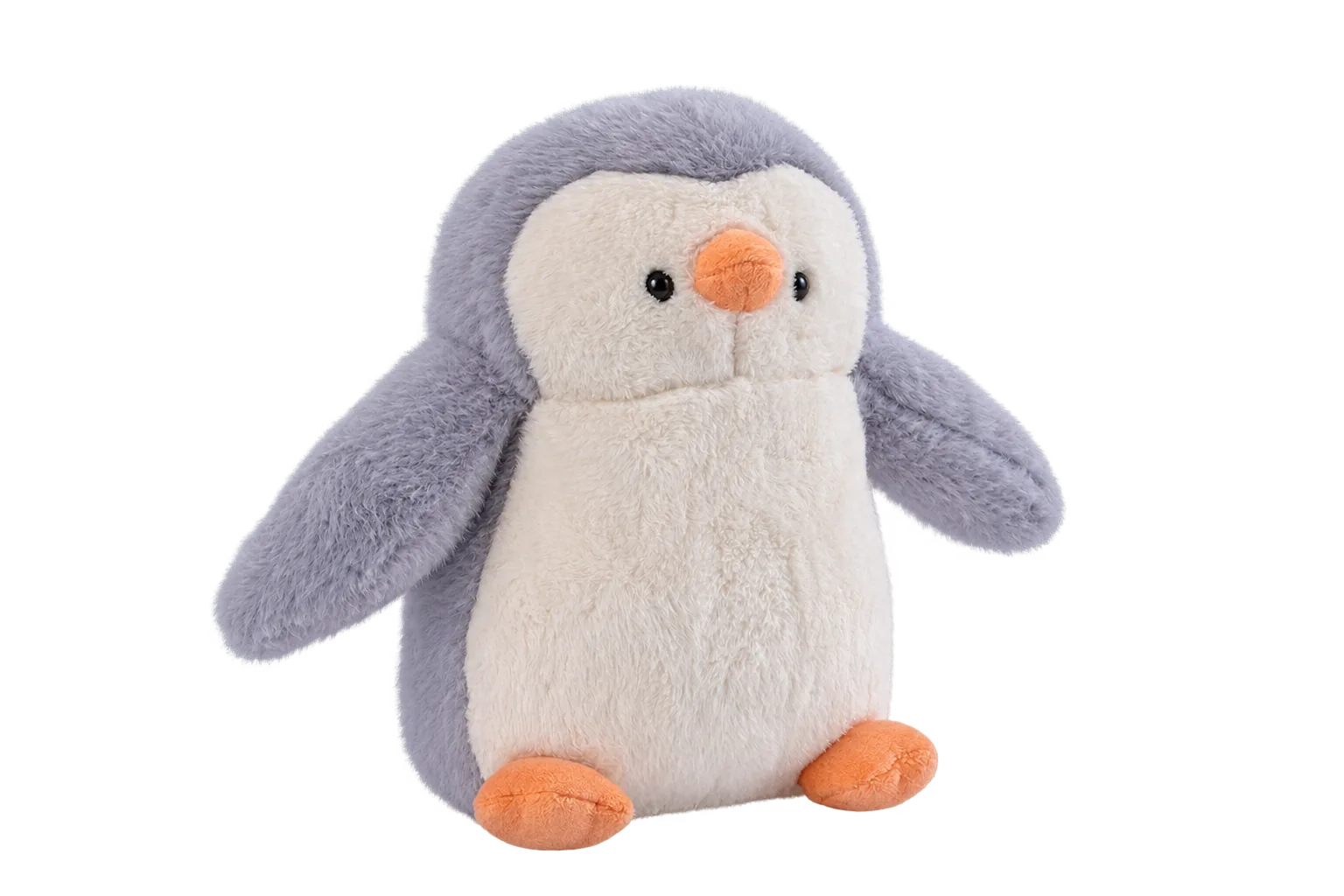
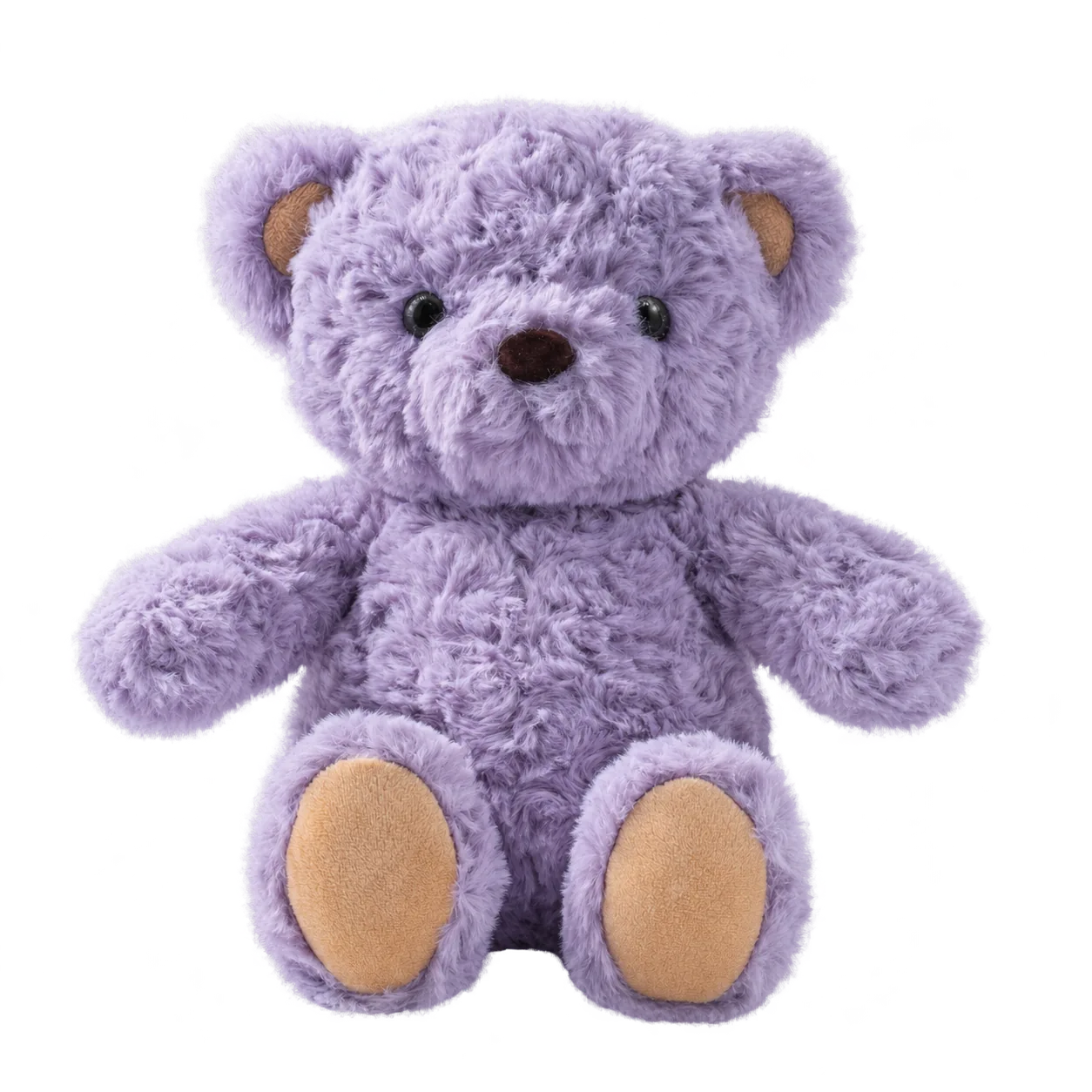
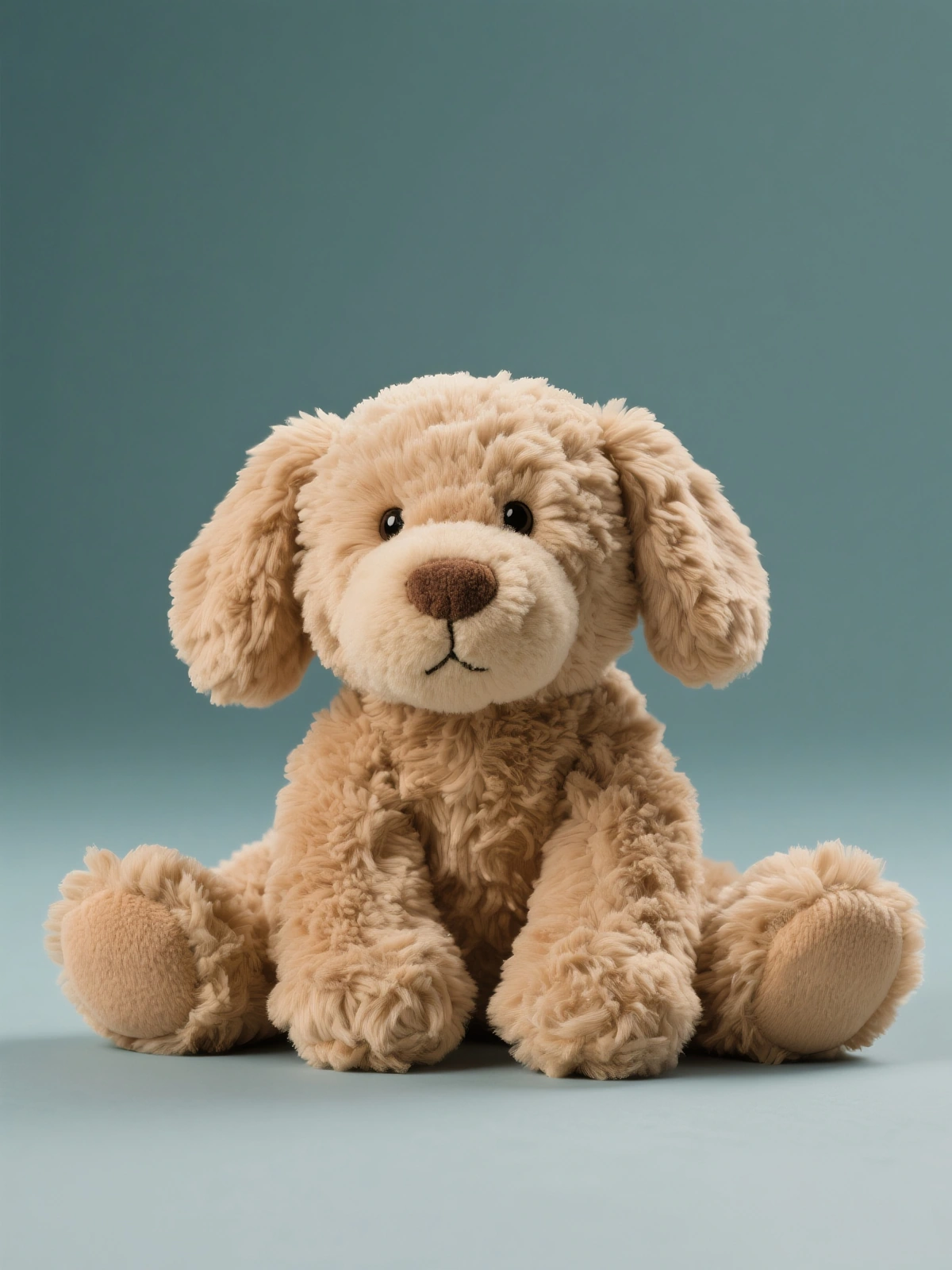
A selection from the company product library, shown as reference rather than as a catalogue.

Related capabilities
An AI plush programme rarely stops at the plush. These are the capabilities that usually get added.
A companion print product carrying the same content world — often the fastest way to extend a character.
If the brand already has a plush supplier, we can supply the electronic module and panel for integration.
Retail packaging, language versions and the documentation the destination market requires.
AI plush FAQ
Yes, as a fixed-content product with scripted responses. Offline removes the service dependency and lowers cost, but it also removes the conversational behaviour — the two are different products and should be chosen deliberately.
The brand owns what it commissions. We produce recordings and scripts against an agreed brief, and the ownership terms are set out in the project documents rather than left implicit.
Yes, if the brand holds the rights and can supply the style guide. Pattern work from a flat drawing usually needs at least one physical round before the face reads correctly.
That is a normal starting point. The first stage turns the sketch into a feasible pattern and an internal layout, and that stage is where most cost questions get answered.
Send a short brief and we will reply with the questions that actually affect cost, tooling and timing.
Start a project