OEM · ODM · TOOLING
Toy OEM / ODM Manufacturing
OEM and ODM describe who owns the design, not who owns the factory. The difference decides what the buyer supplies, where the engineering sits, and what a quotation actually covers.
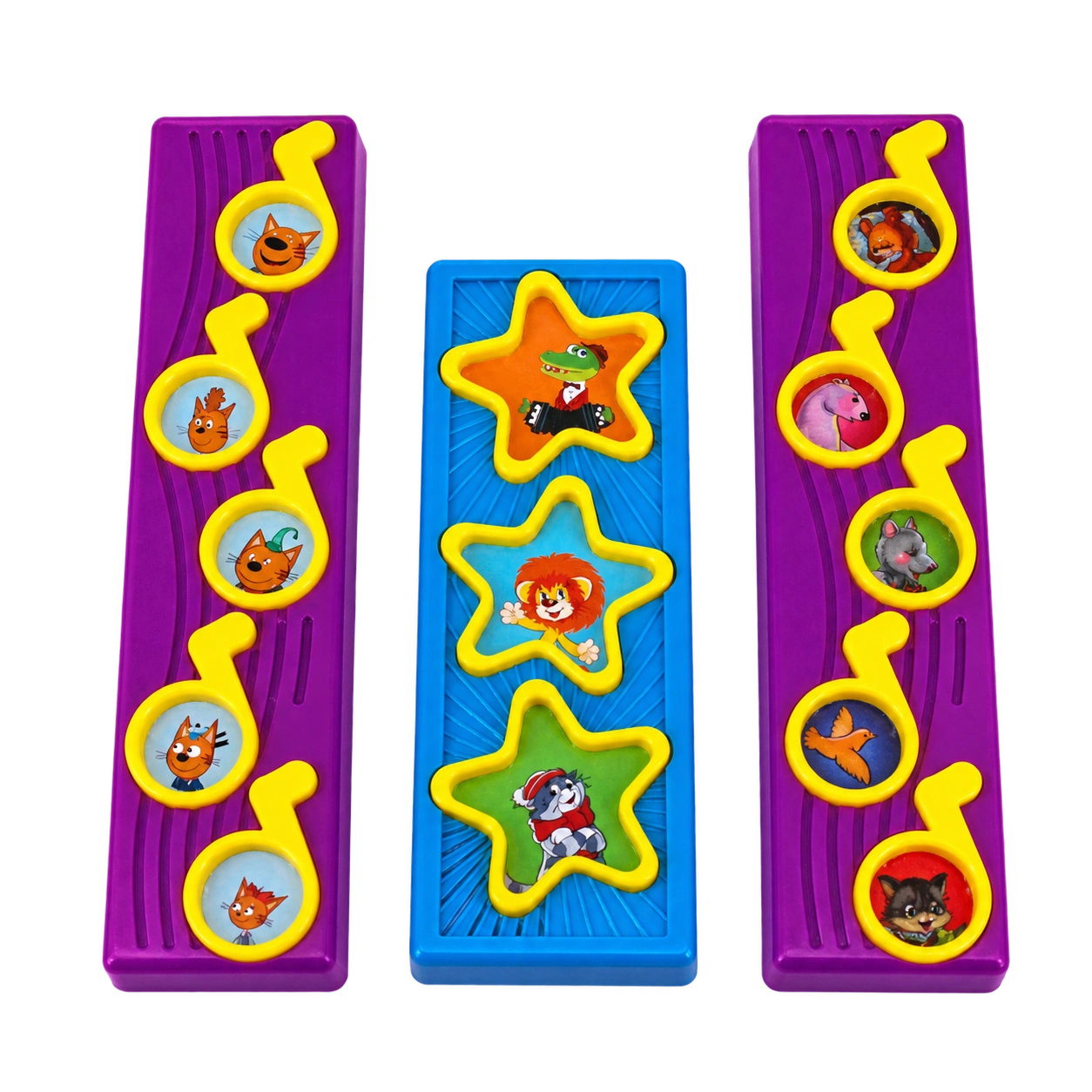
OEM and ODM, defined by design ownership
In OEM production the buyer supplies the design and the factory manufactures to it. In ODM the factory develops the product and the buyer brands it. Most real programmes sit between the two, and the important question is not which label applies but which parts of the design are already fixed.
| OEM | ODM | |
|---|---|---|
| Design ownership | Buyer | Factory, adapted for the brand |
| What the buyer supplies | Drawings, specifications, often tooling references | A brief: audience, function, market, price point |
| Engineering work | Interpretation and manufacturing engineering | Product development, structure, electronics and content |
| Typical starting point | A finished design package | A concept, a reference product or a category to enter |
| Risk sits with | The buyer, for design intent | The factory, for feasibility |
Tooling: what it is and when it is needed
Tooling is the mould or pattern set that production runs from. In plush, tooling is usually the pattern and the cutting dies; in electronics and housings it is the injection mould. Either way it is a one-off cost tied to a specific design.
Tooling is why quantity matters so early. A design that justifies tooling at one volume may not at a tenth of it, and the honest answer to “what is your MOQ” is usually “what is the tooling amortised over”.
Sampling and approval
Sampling exists to resolve the gap between a specification and a physical object. On a plush product that gap is larger than on most manufactured goods, because soft materials behave differently at every scale.
A useful approval document records the configuration of the sample: pattern revision, fabric and colour, filling, electronics revision, audio revision and packaging. Without that record, “the approved sample” is not a reference — it is an object with no stated properties.
What makes a quotation comparable
Two quotations are only comparable when they describe the same configuration. The information that most often changes a number:
- Quantity per order and per year, and whether it is repeatable
- Whether tooling already exists, and who owns it
- Number of languages and whether recordings exist
- Packaging format and whether it is printed in-house or supplied
- Destination market, because it determines the test plan
- Whether certification is required and who commissions it
Working with a factory that does both sides
On a product that combines soft goods and electronics, an OEM buyer has one additional question to ask: does the factory make both, or does it subcontract one side? The answer changes who is responsible when the two do not fit together.
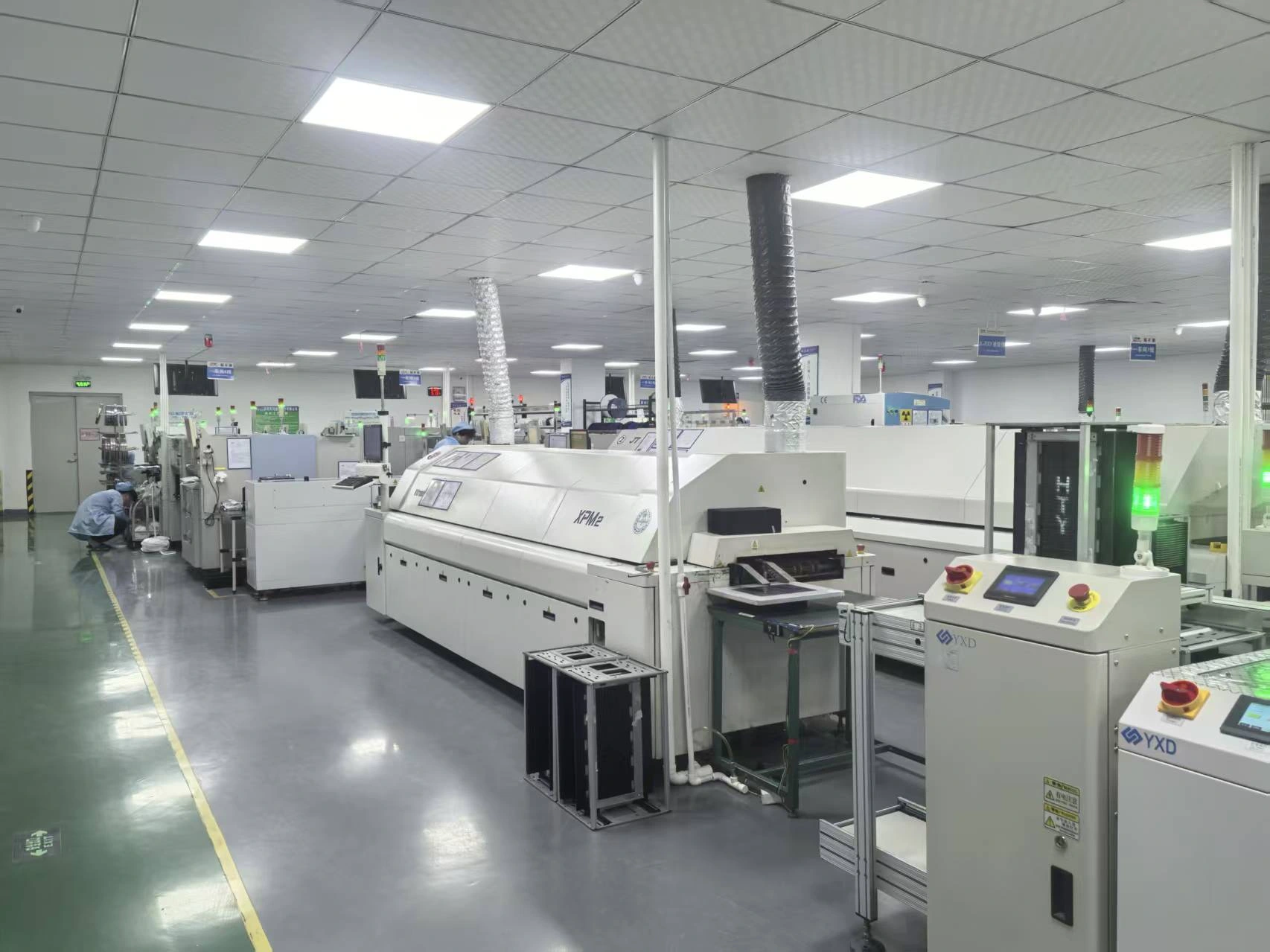
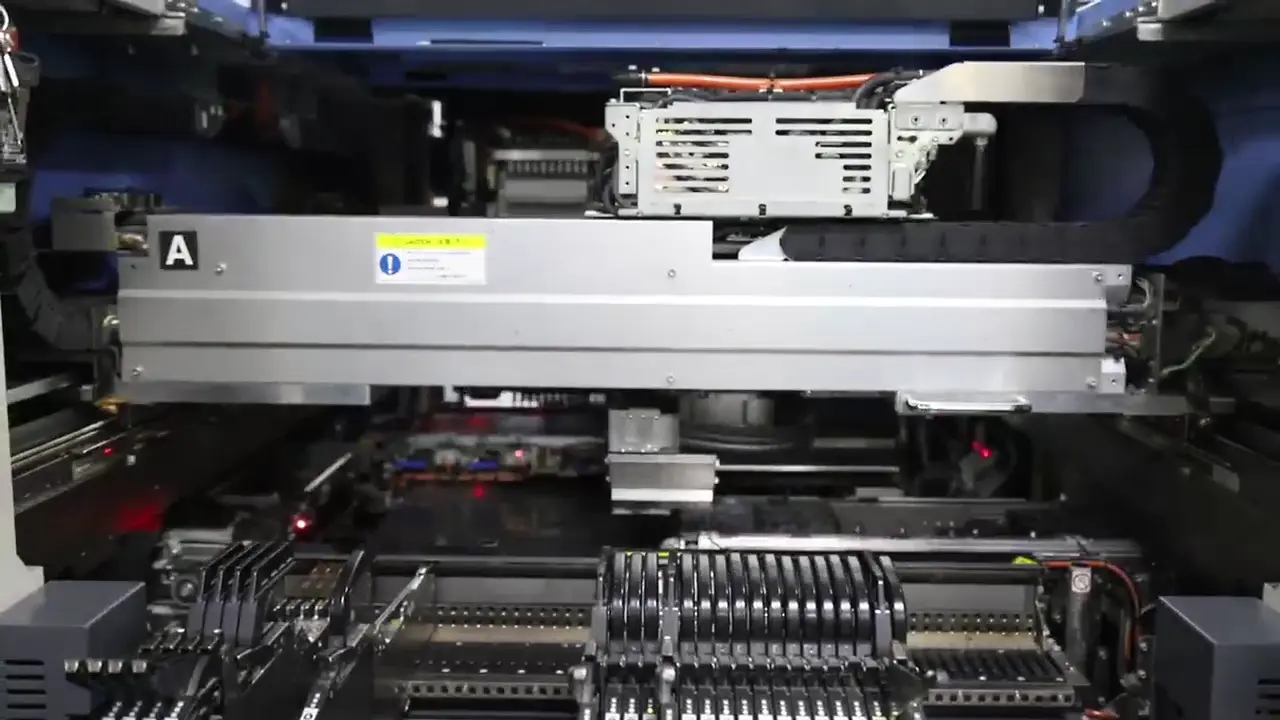
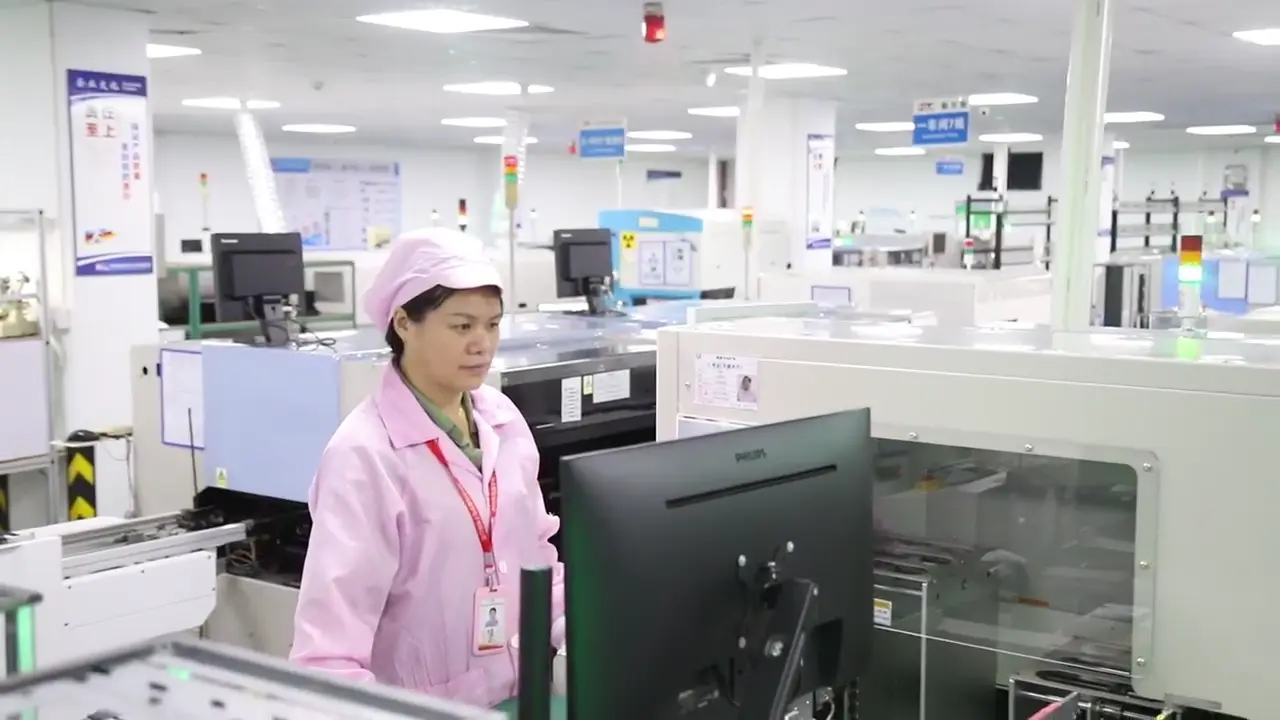
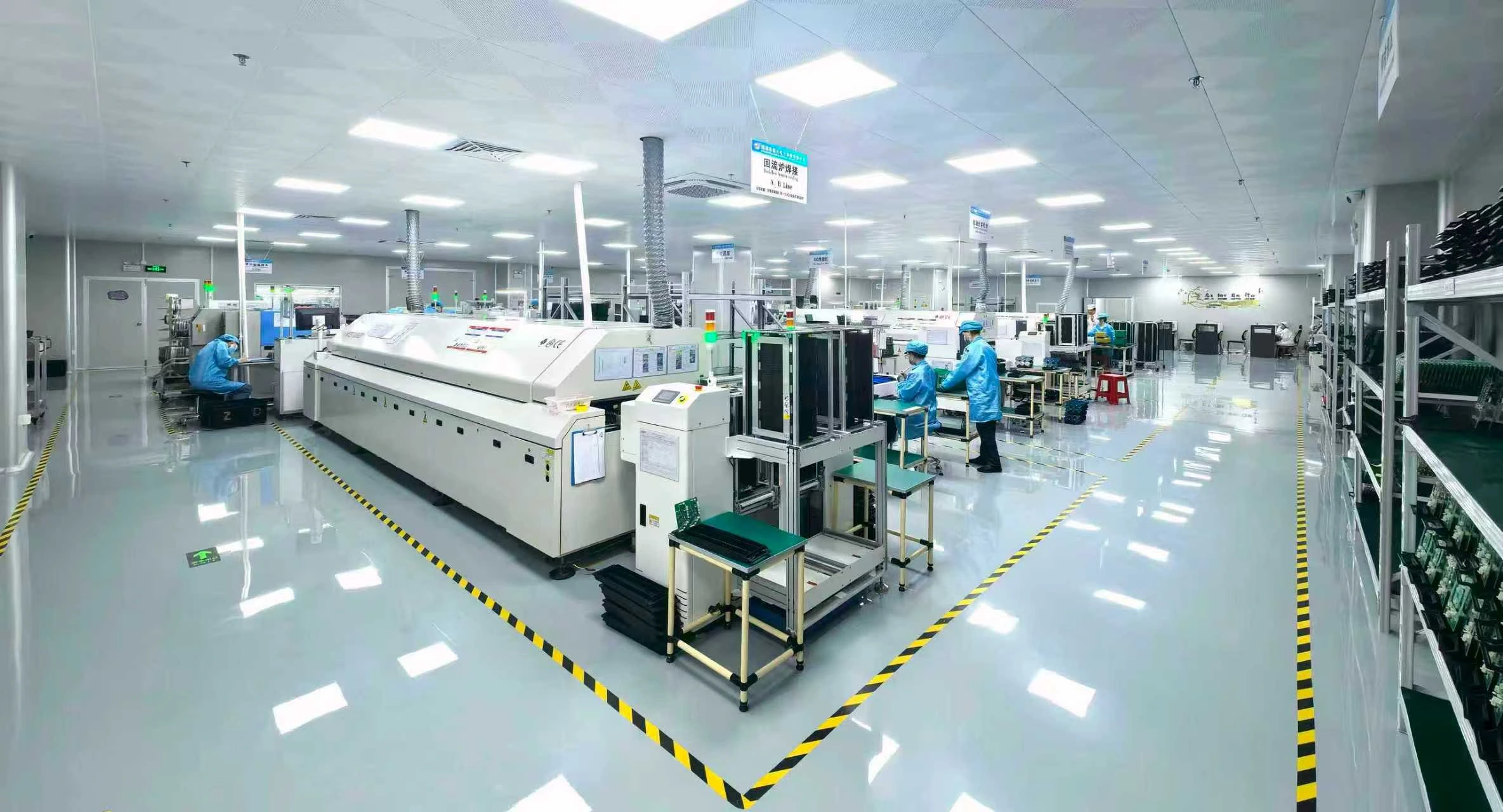
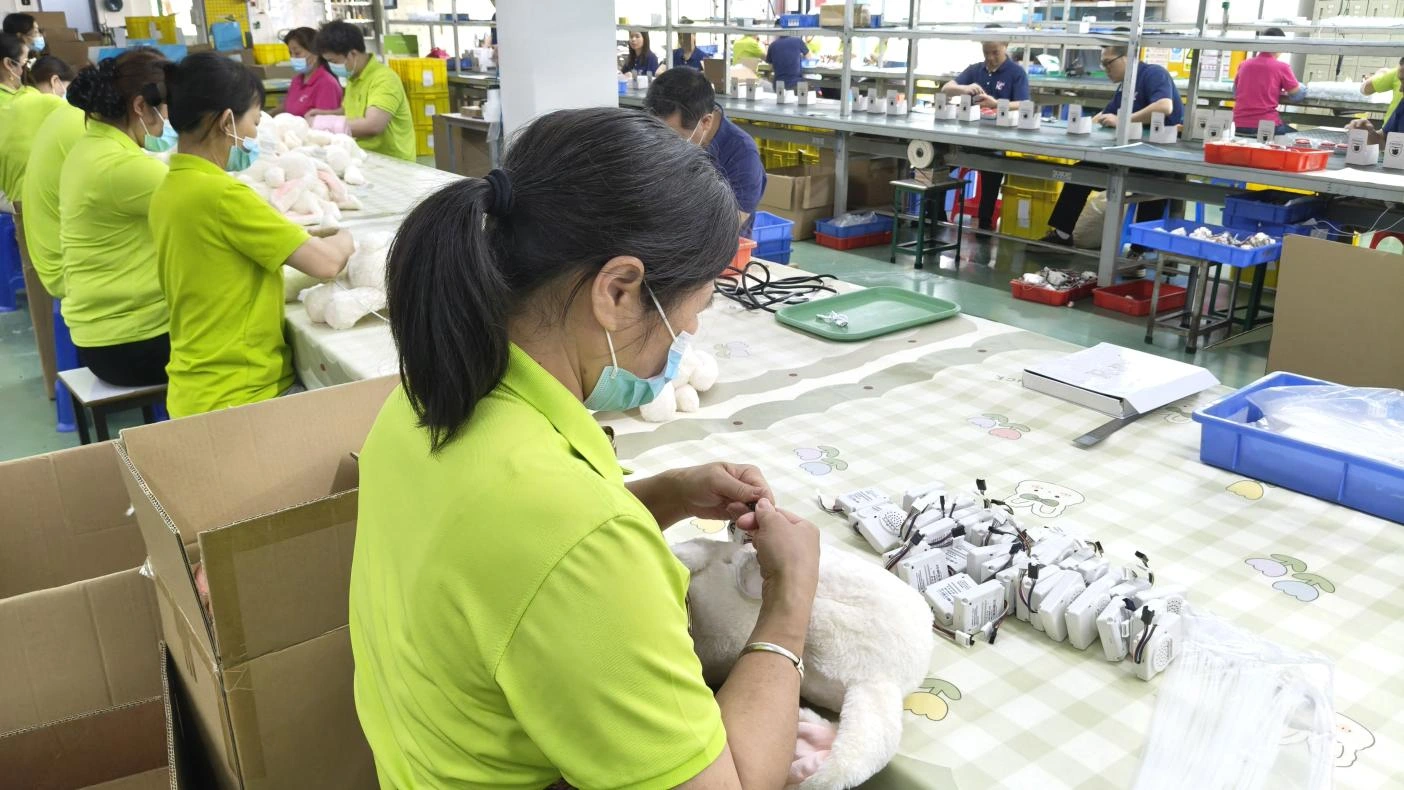
We manufacture plush and electronics in the same plant, which means the internal layout on an electronic plush is agreed against a real body rather than a drawing of one.
Engagement models
Three ways a programme usually starts.
Choose the one that matches how much of the design already exists.
Design package in hand
You supply drawings and specifications; we assess feasibility, quote tooling and produce a sample against your design intent.
Concept, no design
You supply a brief and a reference; we develop structure, pattern, electronics and content and present a feasible direction with cost implications.
Platform adaptation
You choose an existing platform; we adapt the character, the content and the packaging without new tooling for the core hardware.
Component supply
Modules and assemblies supplied for integration.
For buyers who handle print or assembly elsewhere.
OEM / ODM FAQ
Questions that come up at the start of a programme.
Do we own the tooling?
Ownership is a commercial term that is agreed per project. What matters practically is that the tooling is documented and that its configuration is recorded with the design.
Can you sign an NDA before the brief?
Yes. A short brief under NDA is enough to have a useful first conversation.
What if our design is not manufacturable?
That is a normal finding at the feasibility stage. The useful output of that stage is a list of what has to change and what each change costs, not a yes or no.
How long does a programme usually take?
It depends on the product and on how much of the design exists. The sampling stage is where timelines are most often underestimated, because it involves physical rounds.
Ready to discuss your product?
Send a short brief and we will reply with the questions that actually affect cost, tooling and timing.
Start a project