OEM / ODM
What changes between the two models, and what the buyer supplies in each.
BUYER GUIDE · DUE DILIGENCE
Most sourcing problems are visible before the first order — in how a quotation is written, how a sample is presented and how questions about constraints are answered.
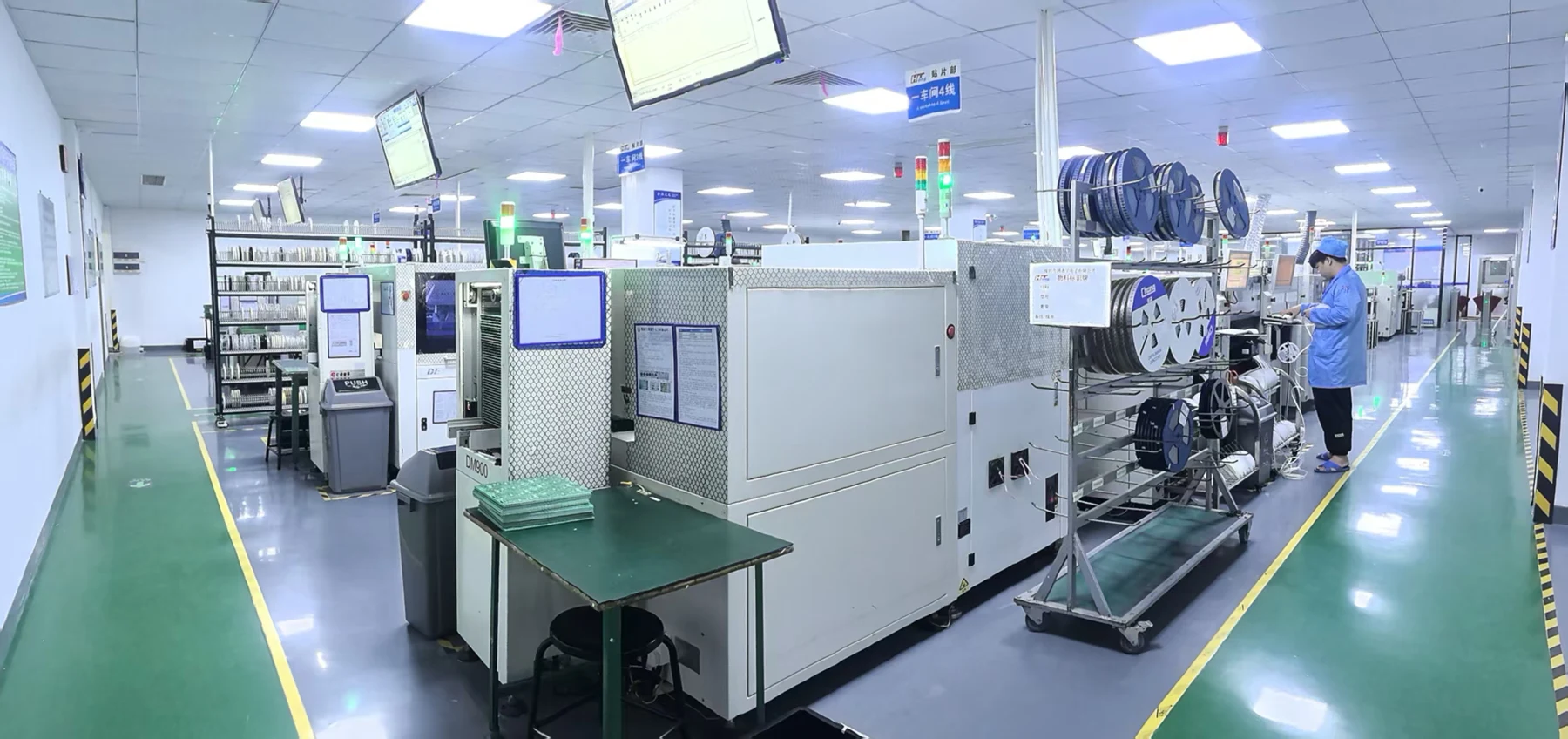
A factory and a trading company can both quote the same product, and the difference does not appear on an invoice. The practical test is simple: ask which production stages happen on site and which are subcontracted.
A useful answer names the departments — pattern room, cutting, sewing, filling, electronics, testing. A vague answer (“we have a factory”) is a different kind of information, and both answers are worth having.
A per-unit price without stated assumptions cannot be compared with another price. The assumptions that matter: order quantity, whether tooling exists, the number of languages, the packaging format, the destination market and whether certification is included.
Ask which of those is currently driving the cost. A factory that can name the driver has priced the product; one that cannot has estimated it.
The sample is the most informative document in the whole process — not because of how it looks, but because of what comes with it.
| What to look at | What it indicates |
|---|---|
| A written configuration (pattern, fabric, electronics, audio revision) | The factory documents what it makes |
| Seams at stress points, not just the front | Whether sample and production will match |
| Audio tested at real volume, not nominal | Whether the product was tested as a product |
| Packaging included in the sample | Whether the packaging is treated as part of the product |
| Answers about constraints, not just promises | Whether the factory will raise problems early |
General questions get general answers. These are the ones that produce a specific response:
Capability is what a factory can make. Capacity is how much of it they can make at once, and the two are separate questions. A factory with strong capability and thin capacity will accept a programme and then schedule it around other customers.
Ask about the schedule explicitly, including when sampling would happen relative to production. Sampling and production compete for the same people, and a factory that plans for both is a different proposition from one that does not.
None of these are proof of a problem on their own. Each of them, however, is a question that has not been answered — and unanswered questions are what a first order is made of.
Related reading
Pages that go deeper on what this guide covers.
What changes between the two models, and what the buyer supplies in each.
What is inspected, when, and what documentation comes with a batch.
What happens in-house and what is coordinated with partners.
Send a short brief and we will reply with the questions that actually affect cost, tooling and timing.
Start a project