AI plush toys
The product page for the AI plush platform, with the four decisions that shape a programme.
PROCESS · FROM CONCEPT TO PRODUCTION
Most AI plush programmes run into trouble in the same three places: the internal layout, the content scope and the approval document. This is what each stage actually produces.
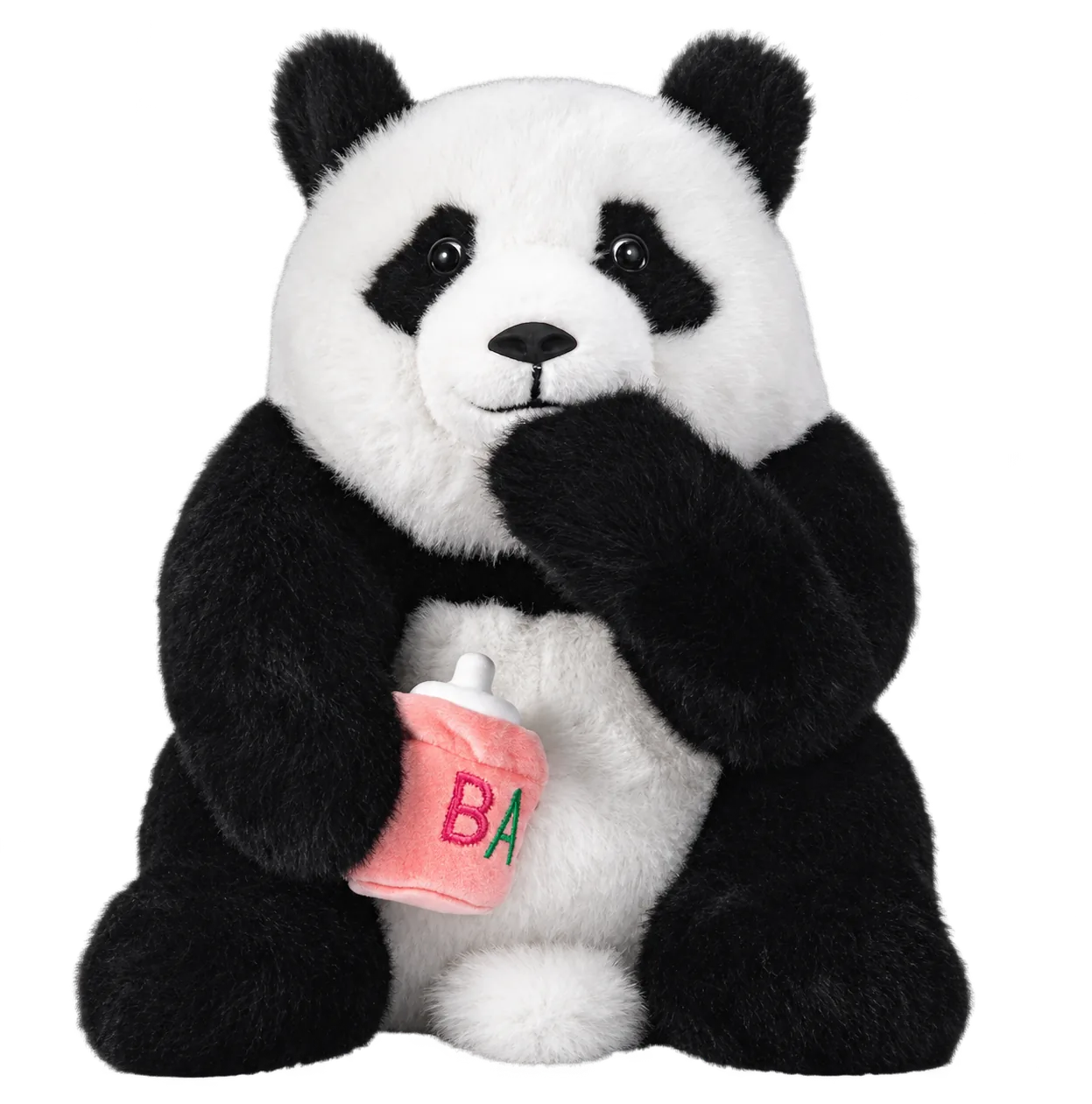
The brief is not a document for the factory’s benefit. It is the only place where the target user, the market, the function and the price point are stated together, and every later decision is measured against it.
A brief that answers five questions is enough to start: what the product should do, who it is for, where it will be sold, roughly how many, and when. Everything else can be worked out.
On a plush product, the pattern and the internal layout are the same problem. The pattern decides where volume exists; the electronics need volume; the battery needs a cavity that can be reached. Design them separately and the first sample will not close properly.
The specific things that get settled at this stage: how much internal space the module occupies, where the speaker sits relative to the fabric, where the battery goes and how it is charged, and how the seams avoid the parts that move.
A plush body is an acoustic enclosure made of fabric and filling. Moving a speaker ten millimetres — behind a thicker panel of filling, or closer to a seam — changes how it sounds more than swapping to a better speaker does. This is why the position is a design decision, not an assembly detail.
The content is recorded against an approved script, and the script is written for the intended age range. Pronunciation, pacing and vocabulary are reviewed before recording begins, because re-recording after artwork is final is expensive and slow.
Language versions are re-recorded rather than re-cut. A translated sentence has a different length and a different rhythm, and a cut-down edit of the original recording sounds wrong in almost every language.
The sample is where the specification meets a physical object. On plush products this gap is larger than on most manufactured goods, because soft materials behave differently at every scale: a face that reads correctly at 200 mm may not at 300 mm.
Expect at least one physical round before the face is right. That is normal rather than a sign of a problem, and it is worth building into the plan.
An approved sample without a recorded configuration is not a reference. The approval document states the pattern revision, the fabric and colour, the filling, the electronics revision, the audio revision and the packaging.
This document is what the production line inspects against. Without it, “the approved sample” is an object with no stated properties, and every later dispute becomes a memory test.
Production runs against the approved sample. In-line checks catch the defects that appear during a run rather than after it, and final inspection compares finished units against the same reference.
On electronic products, the checks that matter most are the ones that cannot be corrected later: audio function, latency, charging behaviour and end-of-playback behaviour. All of them should be tested before the product is closed, not after it is packed.
| Failure | When it shows up | What it costs |
|---|---|---|
| Plush designed before electronics are specified | First sample | New pattern, new internal structure |
| Content scope decided late | Recording stage | Revised artwork, delayed approval |
| No approval document | Production | Batch disputes with no reference |
| Speaker placed after pattern approval | Sample review | Internal rebuild |
| Age grade assumed rather than assessed | Certification | Physical changes and re-testing |
None of these are technical mysteries. They are sequencing problems, and they are why the stage order matters more than the speed of any single stage.
Related reading
The pages that go deeper on the decisions described above.
The product page for the AI plush platform, with the four decisions that shape a programme.
If the product includes print, the mapping and revision-control problems are different.
OEM vs ODM, MOQ, sampling timelines and certification answered directly.
Send a short brief and we will reply with the questions that actually affect cost, tooling and timing.
Start a project