OEM / ODM
Tooling, sampling and what makes a quotation comparable.
BUYER GUIDE · MINIMUM ORDER
MOQ is not a house rule. It is the point at which the fixed costs of a product stop dominating the per-unit price — and every one of those costs can be named.
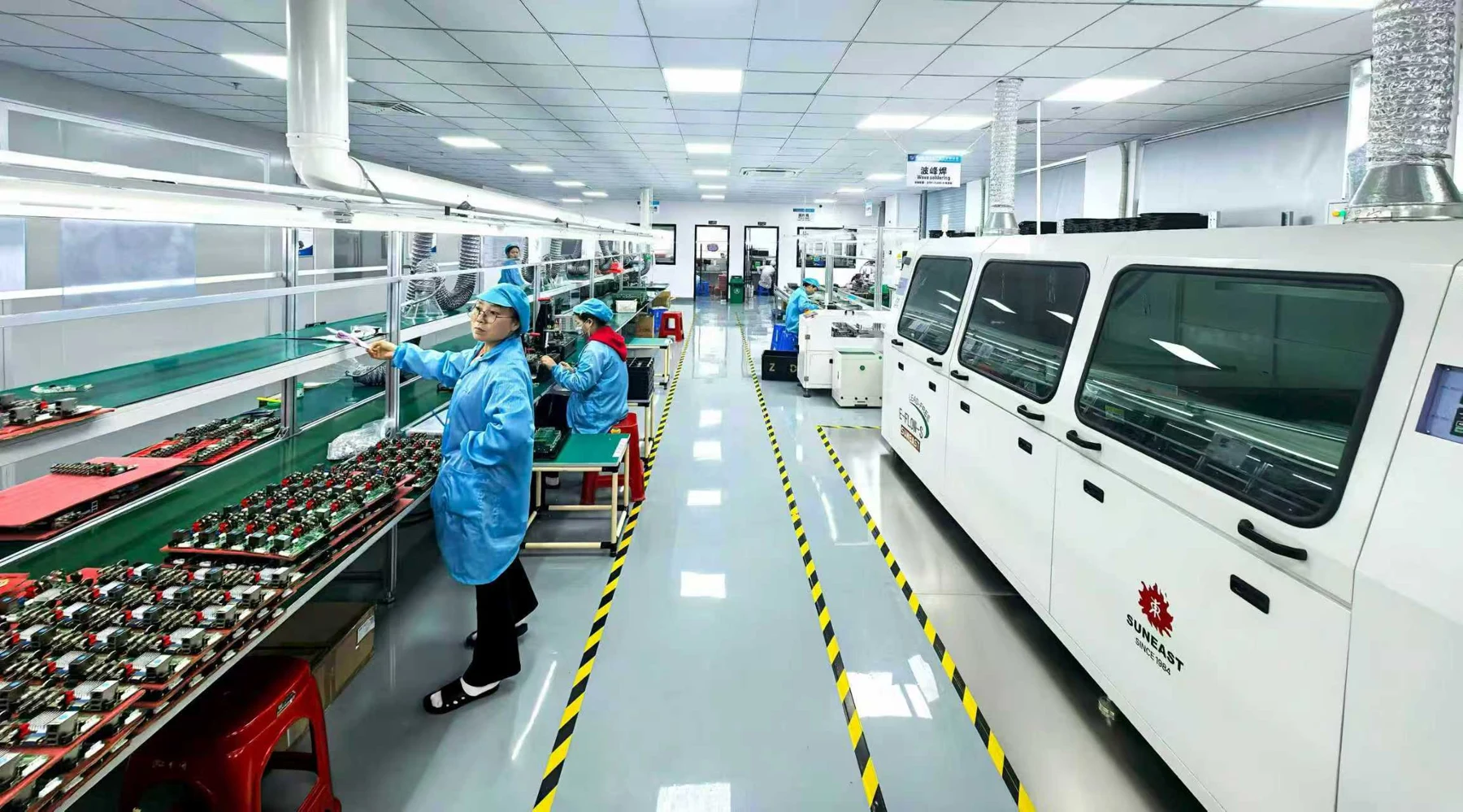
When a factory quotes a minimum order, it is usually expressing something specific: at a lower volume, one of the fixed costs becomes unreasonable per unit. That cost is traceable, and once it is named the conversation becomes useful.
There are four fixed costs in a toy programme, and the one that dominates determines what can be negotiated.
Tooling is a one-off cost tied to a specific design — in plush, usually the pattern and cutting dies; in electronics and housings, the injection mould. It is amortised over the order, so at low volume it dominates the unit price.
This is why an existing platform can start at a lower volume than a new body. No new tooling means no new amortisation.
Fabric, foam and filling are produced and sold in batches. A custom fabric or a specific dye lot may have a minimum that exceeds the order quantity, which makes the leftover material part of the cost of the order.
Stocked materials avoid this entirely. If the colour or texture is negotiable, choosing a stocked fabric can change the MOQ more than any negotiation on price.
Electronic modules have their own minimums: PCB fabrication, component reels and programming setup all have fixed elements. A new board design has a higher floor than an existing module with new content.
This is the reason content changes are cheaper than hardware changes. Re-recording audio for an existing module costs little; changing the module means new tooling and new minimums.
Printed packaging carries minimums from the printing process, and a custom structure carries tooling of its own. A stock box with a printed label has a very different floor from a custom rigid box with foil.
| Lever | What it changes | Trade-off |
|---|---|---|
| Use an existing platform | Removes tooling from the amortisation | Less design freedom on the body |
| Choose stocked materials | Avoids fabric and dye-lot minimums | Limited colour and texture range |
| Reuse an existing module | Avoids PCB and programming setup | Content may be shaped by the module |
| Simplify packaging | Removes print minimums and structure tooling | Less shelf presence |
| Commit to a repeat order | Spreads tooling over a longer run | A commitment before the first result |
The most common mistake is treating MOQ as a number to be argued down. If the factory reduces the minimum without changing anything else, one of two things has happened: the fixed cost is being absorbed somewhere it will reappear later, or the per-unit price has been raised to cover it.
The productive conversation is about which fixed cost is binding and whether the product can avoid it. That conversation actually changes the number.
Instead of “what is your MOQ”, ask: “what is currently setting the minimum for this product — tooling, materials, electronics or packaging?” The answer tells you what to negotiate, and it also tells you whether the factory understands its own cost structure.
Related reading
Pages that go deeper on what this guide covers.
Tooling, sampling and what makes a quotation comparable.
What pattern making and material selection actually involve.
MOQ and the other questions buyers ask first, answered directly.
Send a short brief and we will reply with the questions that actually affect cost, tooling and timing.
Start a project